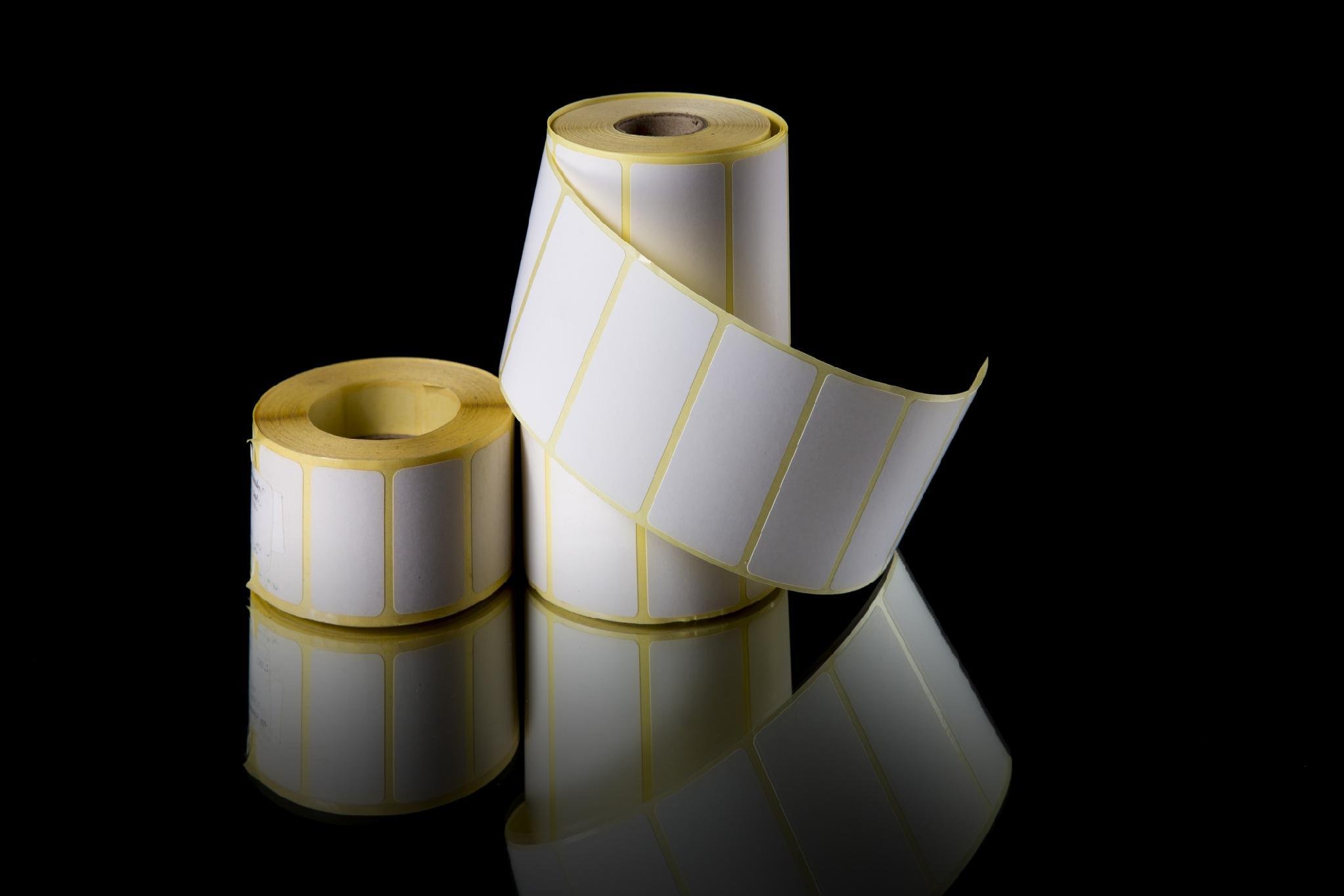
Choosing the right label for your business can have a significant impact on efficiency, durability, and overall operational costs. Whether you work in retail, logistics, warehousing, manufacturing, healthcare, or e-commerce, selecting the correct thermal label solution is essential for ensuring clear, reliable identification throughout your supply chain.
Understanding the Difference Between Direct Thermal and Thermal Transfer Labels
When comparing direct thermal labels and thermal transfer labels, it is important to understand that each technology serves a different purpose. While both rely on heat to create printed information, the printing methods, durability levels, and ideal applications vary considerably. Understanding these differences will help you determine which label best suits your specific requirements.
What Are Direct Thermal Labels?
Direct thermal labels are produced using specially coated label material that reacts to heat generated by the printer's printhead. When heat is applied, the coating darkens, creating text, barcodes, graphics, or tracking information directly on the label surface.
Unlike thermal transfer printing, direct thermal printing does not require a ribbon. This makes the printing process simpler and reduces the number of consumables needed during operation.
Commonly used in environments where labels are only required for a short period of time. Shipping labels, parcel labels, courier labels, food service labels, and retail receipts are all common examples of direct thermal labels and applications.
The simplicity of direct thermal printing often makes it an attractive and cost-effective solution for businesses with high-volume labelling requirements.
What Are Thermal Transfer Labels?
Thermal transfer labels use a different printing process. Instead of applying heat directly to the label material, heat is used to transfer ink from a thermal ribbon onto the label surface.
This method creates a highly durable print that is resistant to moisture, sunlight, heat, chemicals, and abrasion. As a result, thermal transfer labels are often used for applications where information needs to remain legible for extended periods.
Businesses commonly use thermal transfer labels for asset tracking, product identification, inventory management, industrial labelling, medical equipment identification, and compliance labelling.
Although thermal transfer printing requires additional consumables in the form of ribbons, the long-term durability often justifies the investment for demanding environments.
How Direct Thermal Printing Works
The direct thermal printing process is relatively straightforward. The printer's thermal printhead applies controlled heat directly onto heat-sensitive label stock. The label coating reacts to the heat, creating dark images where required.
Because no ribbon is involved, maintenance requirements are often lower and media changes can be completed quickly. This efficiency makes direct thermal printing particularly attractive for busy warehouse, logistics, and fulfilment operations that process thousands of labels daily.
Businesses seeking fast and economical label production frequently choose direct thermal technology due to its simplicity and ease of use.
How Thermal Transfer Printing Works
Thermal transfer printing involves the use of three components: the printer, the label material, and a thermal ribbon. During printing, the printhead heats specific areas of the ribbon, transferring ink onto the label surface.
The transferred image becomes bonded to the label material, creating an exceptionally durable print. Different ribbon formulations, including wax, wax-resin, and resin ribbons, allow businesses to tailor durability levels to their specific applications.
The flexibility of thermal transfer technology means it can be used on a wide variety of label materials, including paper, polyester, polypropylene, and specialist synthetic substrates.
This versatility makes thermal transfer printing suitable for significant numbers of industrial and commercial applications.
Comparing Print Durability
One of the most important differences between direct thermal and thermal transfer labels is durability.
Direct thermal labels perform well in short-term environments but naturally fade over time when exposed to heat, sunlight, friction, or chemicals. For applications such as shipping labels that only need to remain readable during transportation, this limitation is usually not a concern.
Thermal transfer labels provide much greater resistance to environmental factors. The print remains clear and legible for months or even years depending on the label material and operating conditions.
If your labels must withstand outdoor exposure, industrial environments, cleaning processes, or long-term storage, thermal transfer printing will generally offer superior performance.
Choosing Labels for Shipping and Logistics
The logistics and courier sectors are among the largest users of thermal labelling technology.
Direct thermal shipping labels are widely used because parcels typically reach their destination within a relatively short period. Businesses can produce clear barcodes, addresses, and tracking information without the additional cost of ribbons.
For fulfilment centres and e-commerce businesses shipping large volumes of products every day, direct thermal labels often provide an efficient and cost-effective solution.
However, if shipments are exposed to extreme temperatures or prolonged storage conditions, thermal transfer labels may offer additional reliability and peace of mind.
Selecting Labels for Warehousing and Inventory Management
Warehousing operations frequently require a mixture of short-term and long-term labelling solutions.
Direct thermal labels can be highly effective for temporary stock movement, picking operations, dispatch management, and short-term inventory control. Their low cost and ease of printing make them ideal for fast-moving warehouse environments.
Thermal transfer labels are often preferred for racking labels, shelf identification, long-term stock storage, and asset tracking. Their superior durability ensures barcodes remain scannable even after months or years of use.
Businesses should evaluate how long labels need to remain legible before deciding which option is most suitable.
Considering Label Lifespan Requirements
The expected lifespan of a label should be one of the primary factors influencing your purchasing decision.
If your labels only need to last for a few days, weeks, or several months, direct thermal labels are often perfectly adequate. They provide clear print quality while keeping operational costs relatively low.
If labels are expected to remain in place for years, thermal transfer labels generally offer a better long-term solution. They are specifically designed to withstand environmental challenges while maintaining barcode readability and professional appearance.
Matching label lifespan to application requirements helps prevent unnecessary expenditure while ensuring reliable performance.
Evaluating Cost Considerations
Cost is another major factor when comparing direct thermal and thermal transfer labels.
Direct thermal printing systems benefit from lower ongoing consumable costs because they do not require ribbons. Businesses only need to purchase labels, simplifying inventory management and reducing operational expenses.
Thermal transfer systems require both labels and ribbons, increasing consumable costs. However, the improved durability can often result in better long-term value because labels are less likely to need replacement.
When assessing costs, businesses should consider the total cost of ownership rather than focusing solely on the initial purchase price.
Understanding Environmental Factors
Environmental conditions can significantly affect label performance.
Direct thermal labels may degrade when exposed to prolonged sunlight, excessive heat, moisture, oils, or chemicals. In challenging environments, this can lead to fading or reduced barcode readability.
Thermal transfer labels are generally much better suited to demanding conditions. Many thermal transfer label materials are specifically engineered to resist weather, chemicals, abrasion, and industrial wear.
Understanding where your labels will be used can help determine which printing technology is likely to provide the most reliable results.
Choosing the Right Label for Retail Applications
Retail businesses use thermal labels for a wide variety of purposes, including pricing, promotions, product identification, and stock management.
Direct thermal labels are commonly used for shelf-edge labels, markdown stickers, and short-term promotional labelling because they offer excellent print quality at a low cost.
Thermal transfer labels are often favoured for product identification labels that must remain attractive and readable throughout extended periods on display or in storage.
Retailers should carefully evaluate both product lifespan and customer-facing presentation requirements when selecting label solutions.
Supporting Compliance and Traceability
Many industries operate under strict compliance and traceability regulations. The ability to maintain accurate and legible identification is often essential for meeting legal and quality assurance requirements.
Healthcare organisations, pharmaceutical manufacturers, food producers, and industrial manufacturers frequently rely on thermal transfer labels due to their long-term durability.
Clear and permanent labelling helps support traceability, inventory accuracy, product tracking, and regulatory compliance. In these sectors, investing in durable thermal transfer technology can reduce risk and support operational excellence.
Identifying the Best Solution for Your Business
There is no universal answer when deciding between direct thermal and thermal transfer labels. The best choice depends entirely on your specific operational requirements, budget, environment, and durability needs.
Businesses prioritising speed, efficiency, and low-cost short-term labelling often find direct thermal labels to be the ideal solution. Companies requiring long-lasting, highly durable identification are more likely to benefit from thermal transfer labels.
Evaluating factors such as label lifespan, environmental exposure, compliance requirements, print volume, and total cost of ownership will help ensure you select the most effective solution.
Making the Right Choice Between Direct Thermal and Thermal Transfer Labels
When comparing direct thermal vs thermal transfer labels, the decision ultimately comes down to how and where the labels will be used. Direct thermal labels offer a simple, economical solution for shipping, logistics, and short-term applications, while thermal transfer labels deliver exceptional durability for long-term tracking and industrial use.
By understanding the strengths of each labelling technology, businesses can improve efficiency, reduce costs, and ensure reliable barcode performance across their operations. Whether you require shipping labels for a busy e-commerce business or durable product identification labels for manufacturing, choosing the right thermal label solution will support smoother workflows and more effective inventory management for years to come.