- Change theme

How to Sell a Rolex in NYC Safely: What Happens at the Boutique and How to Avoid the Risks
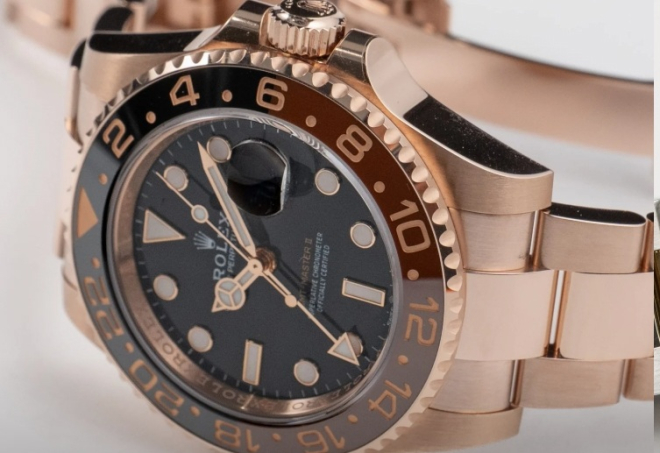
What happens when you bring a Rolex to a New York dealer: the evaluation, the three ways to sell, what to bring, payment, and how to avoid the risks
21:52 05 October 2026
Selling a Rolex is a transaction worth thousands of dollars, sometimes tens of thousands, and in New York it can be done in an afternoon. That speed is one of the city's advantages and also the source of its risks. A seller who walks into the wrong situation with a valuable watch can lose it, or lose the difference between a fair price and a bad one, before understanding what happened. A seller who walks into the right one leaves with payment settled and a receipt in hand.
The difference is almost entirely about where the transaction happens and how it is structured. This is a practical guide to the in-person process at an established New York dealer: what to bring, what the evaluation involves, how the three selling options work, how payment is handled, and which situations to avoid altogether.
Where Not to Sell
It is worth starting with the situations that produce the horror stories, because avoiding them is most of the safety.
- Meeting a private buyer from a classified listing. The buyer is unknown, the meeting place is often public, payment may be cash of uncertain provenance or a transfer that reverses, and there is no recourse if anything goes wrong. The occasional higher price is not worth it.
- Pawn shops and general gold buyers. These businesses price watches as metal and are not equipped to identify a valuable reference or dial. Offers are typically far below the market.
- Anyone who asks the seller to ship first with no established reputation. Shipping a Rolex to an unknown party on the promise of payment is the most common way sellers lose watches.
- Street or hotel-lobby transactions. No fixed address, no accountability, no paperwork.
The alternative is an established dealer with a physical boutique, a public reputation, in-house specialists, and written terms. In New York there are several, and choosing among them is a matter of expertise and offer rather than safety.
What to Bring
The evaluation goes faster and the offer comes out higher when the seller arrives prepared.
- The watch, cleaned gently and unpolished, with all bracelet links attached.
- The full set, if it exists: box, warranty card or papers, booklets, hang tags, spare links, and the original receipt.
- Service records from Rolex or an independent watchmaker.
- Government identification. Dealers are required to record the seller's identity for a transaction of this size, and a reputable one will ask.
- Payment details for a wire transfer, if the seller intends to accept an outright purchase on the spot.
A seller who has looked up the exact reference number and a rough market band beforehand will also be better placed to evaluate what the dealer says.
What the Evaluation Involves
At an established boutique, a specialist examines the watch in front of the seller. The process typically covers:
- Identification. Confirming the reference, serial, dial, bezel, and bracelet, and noting any variant details that affect value.
- Authentication. Checking the case engravings, rehaut, crystal etching, dial printing, cyclops, and, where appropriate, the movement, against the known characteristics of the reference and production period.
- Condition assessment. Looking for polishing, replaced parts, bracelet stretch, crystal damage, and dial or hand condition, and noting whether the watch is original throughout.
- Set verification. Matching the papers to the watch and noting what is present.
- Market placement. Placing the specific watch, in its condition and with its set, against what comparable examples are currently trading for.
A specialist should be willing to explain each of these to the seller as they go. The explanation is part of the service, and a dealer who will not give it is not the right dealer.
The Three Ways to Sell
Once the evaluation is complete, the seller typically has three options, and a good dealer presents all three against the same assessment.
Outright purchase
The dealer buys the watch at an agreed price and pays immediately. Fastest and most certain. The price is below what the watch will eventually retail for, because the dealer is taking on inventory and market risk. Best for in-demand references and for sellers who want the transaction closed today.
Consignment
The dealer takes the watch, markets it to its buyer network, and sells it at an agreed price, keeping a commission. The seller nets more than an outright offer but waits until the sale. The agreement should be in writing and should cover the listing price, the commission, the duration, insurance while the dealer holds the watch, and what happens if it does not sell. Best for precious-metal, complicated, or unusual references with a narrower buyer pool.
Trade-in
The dealer credits an agreed value toward another watch from its inventory. For a seller who is upgrading or changing direction, this can be the most efficient route, since it collapses two transactions into one and often carries a modest advantage over selling outright and buying separately. Best when the seller already knows what the next watch is.
Wrist Aficionado's Manhattan boutique on East 62nd Street is set up for exactly this comparison: the site's page on how to sell your Rolex watch in NYC lays out outright purchase, consignment, and trade-in as the three routes, in-house Rolex specialists evaluate the watch in person during weekday hours with walk-ins accepted and appointments recommended for higher-value pieces, and sellers who cannot visit can submit through the site for an emailed offer within a day and insured shipping arranged by the dealer. Whichever dealer a seller chooses, the same three options presented against one honest evaluation is the standard to expect.
How Payment Works
For an outright purchase, payment at an established dealer is by wire transfer or, in some cases, check, and it is initiated at the time of sale. The seller should receive a written bill of sale stating the watch, the reference, the serial, the agreed price, and the date. Cash for a transaction of this size is unusual at a reputable dealer and is worth treating with caution anywhere else.
For consignment, payment follows the sale of the watch, on terms set out in the consignment agreement. The seller should know before signing how long after the sale payment is made and by what method.
For a trade-in, the credit is applied to the purchase, and the paperwork should show both the credit and the purchase price of the new watch.
In every case, the seller leaves with documentation. A transaction with no paperwork is not one to complete.
Selling From Outside the City
Many New York dealers buy from sellers nationwide and internationally, and the process is safe when it follows a few rules. The seller submits details and photographs, receives a preliminary offer, and, if it is acceptable, ships the watch on a fully insured label arranged by the dealer, with tracking and signature required. The dealer inspects the watch on arrival, confirms or adjusts the offer against the description, and pays or returns the watch at its own expense if the seller declines. The seller should never ship on a label they arranged themselves to a party they have not vetted, and should confirm the dealer's shipping instructions by phone through a number from the dealer's website.
Key Takeaways
- Avoid private buyers, pawn shops, ship-first arrangements with unknown parties, and any transaction without a fixed address and paperwork.
- Bring the watch unpolished with all links, the full set, service records, identification, and wire details.
- The evaluation should cover identification, authentication, condition, set, and market placement, explained to the seller as it happens.
- Expect outright purchase, consignment, and trade-in to be offered against the same assessment; each suits a different seller.
- Payment is by wire with a written bill of sale; consignment terms are in writing before the watch is left.
- Sellers outside the city ship only on a dealer-arranged insured label after confirming instructions by phone.
Frequently Asked Questions
Do I need an appointment to sell my Rolex in NYC?
Not always; many boutiques accept walk-ins during business hours. For a higher-value watch, an appointment ensures a specialist is available and the evaluation is unhurried.
What identification do I need to sell a watch?
Government-issued photo identification. Reputable dealers are required to record the seller's identity for transactions of this size, and a dealer who does not ask is a warning sign.
How is a trade-in different from selling and buying separately?
The dealer credits an agreed value toward a watch from its inventory in a single transaction. It is faster, and the credit is often somewhat better than an outright sale price because the dealer is also making a sale.
How do I know the dealer's offer is fair?
Ask for the reasoning: reference, condition, set, and market band. Compare against one or two other dealers if time allows, and understand whether the figure is an outright purchase offer or a consignment estimate, which are different things.
Can I sell a Rolex to a New York dealer if I live elsewhere?
Yes. Established dealers arrange fully insured shipping, inspect on arrival, and pay on confirmation or return the watch at their expense. Confirm all instructions through the dealer's published contact details before shipping.
What if I decide not to sell after the evaluation?
At a reputable dealer, the seller leaves with the watch and no obligation. The evaluation is part of the service, and a dealer that pressures a seller to close on the spot is one to walk away from.
Conclusion
Selling a Rolex in New York is safe and fast when it happens in the right room. An established boutique with in-house specialists, a transparent evaluation, three selling routes presented honestly, and payment with paperwork removes nearly every risk that private and informal transactions carry. The seller's part is to come prepared, ask for the reasoning behind the offer, and choose the route that fits. Done that way, the afternoon ends with the watch sold for what it is worth and a bill of sale to prove it.