- Change theme

Maine coon cats: cat breed profile, characteristics & care, what are the colors
Discover the Maine Coon cat’s size, personality, care needs, health traits, and coat colors in this complete breed guide.
00:18 25 January 2026
Few cat breeds command as much admiration as the Maine Coon. Known as the “gentle giant” of the feline world, this breed is celebrated for its massive size, affectionate personality, and striking beauty. Originating in North America, the Maine Coon is one of the oldest natural breeds from the continent and continues to be among the most popular worldwide. Understanding its history, traits, and care needs helps potential owners appreciate what makes this cat so extraordinary.
Origins and breed history
The Maine Coon traces its roots back to the northeastern United States, particularly Maine, where it is the official state cat. While myths suggest it descended from longhaired cats brought by seafarers or even from a raccoon-cat hybrid (a genetic impossibility), the breed more likely developed from European cats that adapted to the harsh New England winters. By the late 19th century, Maine Coons were already competing in early American cat shows.
As one of the largest domestic cat breeds, they were valued not only for their looks but also for their mousing skills, making them practical farm and ship cats.
Physical characteristics
Size and build
Maine Coons are famous for their substantial size. Males typically weigh between 13–18 pounds, though some can exceed 20 pounds, while females usually weigh 8–12 pounds. Their muscular bodies, broad chests, and long, bushy tails give them a rugged appearance. According to feline specialist Dr. Karen Becker, “The Maine Coon is unique in that it combines a wild, natural look with a very gentle temperament.”
This size and popularity are factors that influence the maine coon cat price, which is often higher compared to many other breeds.
Coat and colors
The Maine Coon’s semi-longhaired coat is one of its defining traits. It is silky, heavy, and water-resistant, adapted to withstand cold climates. The fur is shorter on the shoulders and longer around the ruff and tail. Virtually every recognized color and pattern is possible, except for pointed varieties like Siamese. Common colors include:
- Brown classic tabby (perhaps the most iconic look)
- Solid black, white, or blue
- Silver tabby
- Red (often called “orange”)
- Tortoiseshell and calico combinations
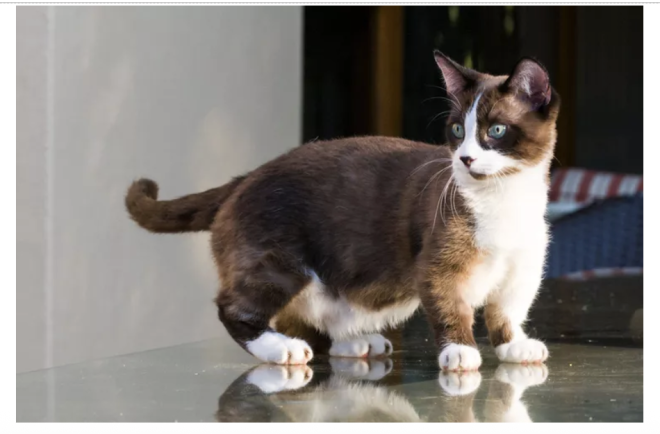
Eye colors range from gold and green to copper, with some white cats displaying blue or odd-colored eyes.
Personality and temperament
Maine Coons are known for being gentle, sociable, and intelligent. Despite their size, they are not aggressive; many owners affectionately call them “dogs in cat suits” because of their loyalty and willingness to follow family members from room to room.
They are playful well into adulthood and often enjoy interactive games. Unusually for cats, many Maine Coons love water — some will dip their paws into bowls or even play in sinks. Cat expert Joan Miller once described them as “a perfect balance of wild beauty and companionable temperament.”
When browsing listings for cats for sale, families often gravitate toward Maine Coons because they adapt well to households with children, dogs, and other cats.
Care and maintenance
Grooming
Though their coats are long, Maine Coons do not mat as easily as Persians. Still, weekly grooming is recommended to prevent tangles and to reduce shedding around the house. During seasonal changes, shedding increases, requiring more frequent brushing.
Nutrition and exercise
Maine Coons are active, muscular cats that need a balanced, protein-rich diet. Portion control is crucial, as they can be prone to obesity if overfed. Play sessions with toys, climbing structures, and even leash training are excellent ways to keep them stimulated.
Health considerations
Maine Coons are generally healthy, but they are predisposed to a few genetic conditions:
- Hypertrophic cardiomyopathy (HCM): A heart condition found in many large cat breeds.
- Hip dysplasia: More common in Maine Coons due to their size.
- Spinal muscular atrophy (SMA): A genetic disorder, though not life-threatening.
Reputable breeders test for these conditions before breeding, helping to reduce risks. The average lifespan is 12–15 years, though many live longer with good care.
Comparative insight: maine coons vs. average domestic cats
To better understand what sets Maine Coons apart, here’s a direct comparison:
|
Feature |
Maine Coon |
Average Domestic Cat |
|
Size |
13–18 lbs (males), 8–12 lbs (females) |
8–10 lbs (average adult) |
|
Coat |
Semi-long, water-resistant, heavy ruff |
Short to medium, not water-resistant |
|
Temperament |
Gentle, playful, dog-like loyalty |
Varies, often more independent |
|
Grooming needs |
Weekly brushing, seasonal extra care |
Minimal to moderate |
|
Lifespan |
12–15 years (sometimes longer) |
12–15 years |
|
Common health issues |
HCM, hip dysplasia, SMA |
Dental disease, obesity, kidney issues |
|
Activity level |
Moderate to high |
Moderate |
Real facts and expert opinions
- The Maine Coon was recognized as a distinct breed in the late 1800s, long before many modern breeds existed.
- In 1985, the Maine Coon was declared the official state cat of Maine.
- Dr. Leslie Lyons, a geneticist at the University of Missouri, has studied the breed extensively, noting its predisposition to HCM and the importance of genetic testing in responsible breeding programs.
- Despite their imposing size, Maine Coons are often referred to as “gentle giants” because of their calm and tolerant nature with children and other pets.
Maine Coons embody a unique blend of rugged appearance, affectionate nature, and playful spirit. They stand out not just for their sheer size and stunning coats but also for their adaptability and loyalty. These traits make them one of the most beloved cat breeds worldwide.
Prospective owners must be prepared for their grooming, health checks, and nutritional needs, as well as the responsibility of managing a cat that can grow larger than many small dogs. Yet, with the right care, Maine Coons reward families with companionship that is both steadfast and joyful.
In the end, whether curled up beside you on a cold evening or splashing playfully in their water dish, the Maine Coon reminds us why cats have been our companions for centuries — but with a grandeur and warmth that is entirely their own.