- Change theme

The Key Advantages of Air Conditioning Without an Outdoor Unit
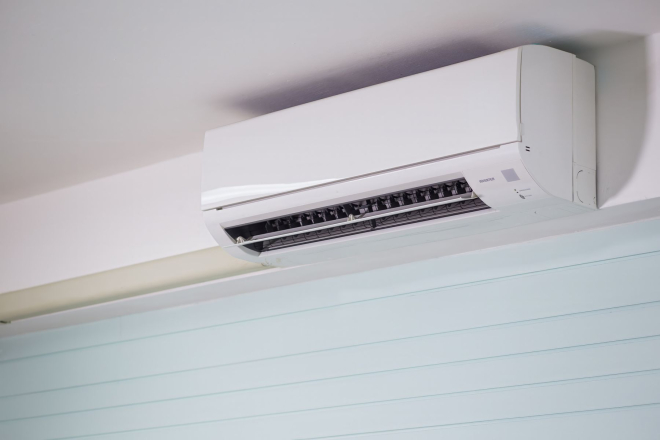
Wall-mounted units suit properties with limited ceiling space and can direct air away from beds or desks. Concealed ducted systems place the indoor
11:01 20 October 2026
Owners of city flats and listed buildings are often told that conventional air conditioning just isn’t possible. The difficulty usually concerns the condenser, not cooling itself. A permanently installed internal system can give you an alternative where a freeholder restricts any external alterations, planning controls protect a facade or there is simply nowhere suitable to place a large outdoor box.
The issue with outdoor units is particularly familiar in London, as many apartments can lack private outdoor space, while lease terms often restrict exterior equipment. Listed buildings and conservation areas bring further controls. Even an available balcony may be too valuable to surrender to a condenser.
Cooling Without Changing the Facade
Conventional split air conditioning carries heat from an indoor unit to a condenser that’s outside. Fully internal water-cooled systems reject that heat through a mains water connection instead. The condenser can therefore sit inside the property, usually in a ventilated utility cupboard or beneath a sink, with refrigerant pipework connecting it to the rooms that are being cooled.
For owners of flats who may be looking into the possibility of air conditioning without an outdoor unit, the available options include permanently fitted wall units and concealed ducted installations. Both are connected to an internal water-cooled condenser. Installation is completed by the provider’s own F-Gas registered engineers. These are fixed residential systems rather than portable appliances, rental products or DIY kits.
Keeping the condenser indoors protects the external appearance of an apartment block or period building. It can also avoid the structural penetrations, brackets and visible pipework associated with an exterior installation. You should still check the lease, building rules and any planning or listed-building requirements before any work begins to avoid management conflicts. Internal installation removes a major obstacle, but permission can still depend on the property and the proposed alterations.
A Permanent System Performs Differently From a Portable Unit
A portable air conditioner can seem useful during a hot week. It usually needs an exhaust hose placed through an open or partially sealed window. Warm air and street noise can unfortunately get back inside though, and the machine also occupies floor space, with its compressor operating in the room.
A fixed internal system avoids the trailing hose and temporary window arrangement. Using air conditioning without external unit distributes cooled air from a permanent position, while the condenser is located elsewhere in the flat. That separation can make bedrooms, studies and living areas more comfortable without you needing to rearrange your entire life around the room whenever temperatures rise.
Wall-mounted units suit properties with limited ceiling space and can direct air away from beds or desks. Concealed ducted systems place the indoor equipment within a ceiling void or bulkhead, leaving only supply and return grilles visible. Around 250mm of void space can be needed, so ceiling height must be checked early.
Better Control Across City Apartments
City flats can overheat through solar gain, restricted ventilation and insulation that holds warmth after the sun sets. Noise and pollution may also make open windows impractical overnight, so upper floors often stay warm well into the evening.
A survey should assess glazing, orientation, ceiling height, occupancy, insulation and heat-producing equipment. A south-facing living room with full-height windows won’t have the same cooling load as a shaded bedroom of equal size.
One internal condenser can support several indoor units when its capacity and pipework design allow it. That gives you individual cooling in selected rooms rather than forcing the entire flat to operate as one zone.
In compact properties, pipe routes must work around finished interiors. The condenser needs water, drainage, electricity and sufficient access for servicing. Concealed equipment still has to be practical for an engineer to maintain.
The Same Constraints Extend Beyond London
Manchester has many converted warehouses, glazed apartment towers and city-centre developments where balconies are absent or governed by strict lease conditions. Ancoats, Castlefield and other conservation areas add heritage considerations. A fully internal system can preserve brickwork and uncluttered elevations while providing permanent cooling inside.
Leeds presents a similar issue as modern apartments around the city centre can experience substantial solar gain, while converted commercial and historic buildings often provide limited routes for external units. The right solution depends on the building rather than the postcode. A detailed survey should establish where the condenser can sit, how services will reach it and whether wall-mounted or ducted delivery is practical.
Annual professional servicing should be included in the ownership plan. Filters, drainage, refrigerant components and the water-cooled condenser all need a proper inspection. Access panels should therefore be agreed during design, not improvised after installation.
Flat owners who have been refused an external condenser need to be sure whether the building can support a fully internal system. Water, drainage, electrical capacity and sensible pipe routes usually decide the final answer. When those elements are assessed properly, permanent cooling can be introduced without surrendering the facade, balcony or character that made the property worth choosing in the first place.