- Change theme

What Makes a Waterfront Wedding Venue So Magical?
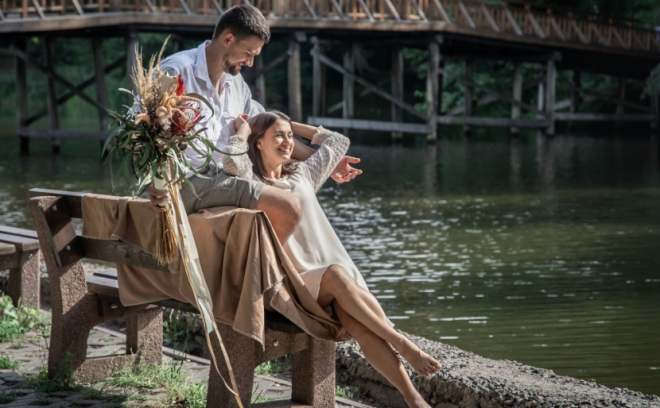
The magic of a waterfront wedding venue comes from the way natural scenery, thoughtful design, and personal choices work together
22:12 15 October 2026
A wedding venue influences more than the appearance of a celebration. It shapes the atmosphere, the photographs, the guest experience, and the memories couples carry with them long after the day ends. Among the many settings available, waterfront venues have a distinctive appeal. The combination of open water, natural light, changing skies, and peaceful surroundings creates an atmosphere that feels both elegant and relaxed.
Whether a couple imagines an intimate ceremony overlooking a lake or a lively reception beside a river, a waterfront setting offers opportunities to make the occasion feel personal. According to the National Park Service, natural landscapes can hold remarkable significance because of their distinctive features and beauty. Although a wedding venue is a different kind of choice, the appeal of a natural setting helps explain why couples are drawn to celebrations near the water.
1. Natural Scenery Creates a Memorable Backdrop
One of the biggest attractions of a waterfront wedding venue is the scenery. Water introduces movement, reflection, and depth to the surroundings, creating a setting that feels different from a traditional indoor ballroom.
Changing Views Throughout the Day
Waterfront landscapes can look different from morning through evening. Soft morning light may create a peaceful atmosphere, while afternoon sunshine brings brightness and energy. As the sun sets, reflections across the water can add warmth to the celebration.
Couples can use these natural changes to plan different parts of the day. An outdoor ceremony might take place in the late afternoon, followed by photographs during golden hour and an evening reception with subtle lighting.
2. Waterfront Settings Offer Distinctive Ceremony Options
Waterfront venues can accommodate different wedding styles, from casual gatherings to formal celebrations. The surrounding landscape provides a flexible starting point for creating a ceremony that reflects the couple's personalities.
Elegant Celebrations With City Views
Some waterfront locations combine natural scenery with an urban skyline. This can be particularly appealing to couples who want an elegant atmosphere without choosing a completely enclosed venue.
For example, couples exploring Liberty House weddings may consider how a waterfront setting can bring together open views, formal dining, and opportunities for memorable photographs. When evaluating a venue of this kind, it is worth checking the ceremony layout, reception arrangements, and available indoor spaces to understand how the setting will work throughout the event.
The most suitable option depends on the couple's preferred atmosphere, guest count, and plans for the ceremony and reception.
3. Natural Light Enhances Wedding Photography
Photography is an important consideration when choosing a venue because the setting appears in everything from formal portraits to candid guest photographs. Waterfront locations offer several opportunities to capture different moods without changing locations.
Reflections and Open Horizons
Water can reflect the sky, nearby buildings, and surrounding greenery, adding visual interest to photographs. Open horizons also give photographers more room to work with wide compositions.
Couples can plan portraits near the shoreline, use a pier or terrace for group photographs, or choose a sheltered area for more intimate shots.
Planning Around the Sun
Natural light can be beautiful, but it also requires planning. Direct midday sunlight may create harsh shadows, particularly in open spaces without shade.
Discuss the photography schedule with the photographer before finalizing the ceremony time. If sunset portraits are important, allow enough time between the ceremony and reception activities. It is also useful to identify indoor or covered locations for photographs if the weather changes.
4. The Sound of Water Creates a Relaxed Atmosphere
The visual appeal of a waterfront venue is only one part of its charm. The surrounding environment can also influence how guests experience the celebration.
A Calmer Setting for Guests
The movement of water and the openness of the landscape can make a wedding feel less confined. Guests may appreciate having room to move between the ceremony area, reception space, and outdoor seating areas.
A terrace overlooking the water can provide a comfortable place for guests to talk between formal activities. These small opportunities to relax can make the event feel more welcoming.
Balancing Natural Sounds With Music
Waterfront venues may have natural background sounds, including flowing water, wind, or passing boats. These can contribute to the atmosphere, but they may also affect how clearly guests hear speeches and music.
Ask about the venue's sound system and any restrictions on outdoor entertainment. During the site visit, pay attention to traffic, nearby public spaces, and other possible sources of noise.
For ceremonies with many guests, a suitable microphone system can help ensure that everyone hears the vows and speeches clearly.
5. Outdoor and Indoor Spaces Provide Flexibility
Weather is one of the most important factors to consider when planning a waterfront wedding. Even during a season with generally pleasant conditions, wind, rain, or unexpected temperature changes can affect an outdoor event.
Check the Backup Plan
Before booking, confirm whether the venue has an indoor ceremony alternative or a covered area that can accommodate the full guest list.
A backup plan should be more than a vague promise that the event can move indoors. Ask where the ceremony and reception would take place, how the transition would work, and whether the alternative layout changes the seating arrangements.
Couples should also check whether moving indoors involves additional charges or restrictions.
Consider Seasonal Conditions
Each season offers different advantages. Spring may bring fresh greenery, summer can provide longer daylight hours, and autumn may introduce warmer colors to the surrounding landscape.
However, seasonal conditions vary by location. Research average temperatures, rainfall, humidity, and sunset times for the specific wedding date. Waterfront areas can also feel windier than nearby streets or sheltered gardens.
Choosing a venue with adaptable indoor and outdoor spaces makes it easier to respond to these conditions without disrupting the celebration.
6. Thoughtful Lighting Transforms the Evening
As daylight fades, lighting helps create a welcoming atmosphere and allows the celebration to transition naturally from ceremony to reception.
Use Lighting to Complement the Setting
Warm string lights, candles in suitable holders, and carefully positioned uplighting can make reception spaces feel inviting. If the venue overlooks the water, subtle lighting can preserve the view rather than overpower it.
Table lighting should also be practical. Guests need enough light to eat comfortably, read menus, and move around safely.
Protect the Nighttime View
Too much artificial light can reduce the impact of the surrounding landscape. Instead of illuminating every surface, focus on key areas such as dining tables, pathways, entrances, and the dance floor.
Ask the venue whether outdoor lighting is already installed and whether additional fixtures are permitted. Some waterfront locations may have environmental or local restrictions that affect lighting placement and brightness.
7. Guest Comfort Makes the Experience More Enjoyable
A beautiful setting matters, but guests are more likely to remember the celebration positively when they feel comfortable and can participate without difficulty.
Plan for Accessibility and Convenience
Check the distance between parking areas, ceremony spaces, and reception rooms. If guests need to walk across grass, sand, gravel, or uneven paths, consider whether alternative routes are available.
It is also worth confirming accessible restrooms, seating for older guests, and convenient transport options. If the venue is outside the main town or city, provide clear directions and information about nearby accommodation.
Prepare for Waterfront Conditions
Outdoor areas near water may attract insects or experience stronger breezes. Depending on the season, guests may also need shade, fans, blankets, or heaters.
Consider providing water stations and comfortable seating, particularly if guests will spend an extended period outdoors. These practical details help ensure that the scenery remains enjoyable rather than becoming a source of discomfort.
8. A Waterfront Venue Can Reflect a Couple's Personal Style
Waterfront weddings do not need to follow a single design approach. The setting can support different themes, and the details can be selected to reflect the couple's preferences.
Minimalist and Modern
Clean table settings, simple floral arrangements, and neutral colors can complement a contemporary waterfront venue. This style works particularly well when the landscape already provides a strong visual feature.
Romantic and Traditional
Soft fabrics, seasonal flowers, candles, and classic table arrangements can create a more traditional atmosphere. These elements add warmth without distracting from the water.
Relaxed and Nature-Inspired
Wooden accents, locally sourced flowers, greenery, and informal seating can suit couples who prefer a less formal celebration.
Whatever the style, it helps to choose a consistent color palette and a few key decorative elements. Coordinating the ceremony, dining area, and reception lighting creates a cohesive experience without requiring every detail to match exactly.
Conclusion
The magic of a waterfront wedding venue comes from the way natural scenery, thoughtful design, and personal choices work together. Open views create memorable backdrops, changing light adds variety to photographs, and the surrounding environment can give the celebration a relaxed atmosphere.
However, choosing the right venue involves more than finding an attractive view. Couples should consider weather contingencies, accessibility, sound, lighting, and the comfort of their guests. By balancing these practical details with their preferred wedding style, they can create a celebration that feels beautiful, welcoming, and meaningful.
A waterfront setting provides the foundation, but the most memorable weddings are shaped by the experiences shared within it.
FAQs
1. What is the best time of day for a waterfront wedding?
Late afternoon is often a good choice because it can offer softer light for photographs and comfortable conditions for outdoor ceremonies. However, the ideal time depends on the season, local sunset time, weather, and venue restrictions. Discuss the schedule with the venue coordinator and photographer before deciding.
2. What should couples consider when booking a waterfront wedding venue?
Couples should evaluate the ceremony and reception spaces, guest capacity, accessibility, parking, catering options, and available indoor alternatives. They should also ask about weather policies, noise restrictions, lighting rules, and any additional fees. Visiting the venue in person can help clarify how the space will work on the wedding day.
3. Are waterfront wedding venues suitable for formal weddings?
Yes. Waterfront venues can accommodate formal celebrations when they offer appropriate dining facilities, elegant reception spaces, and suitable guest amenities. Formal attire, coordinated table settings, refined floral arrangements, and carefully planned lighting can complement the natural surroundings while maintaining a sophisticated atmosphere.