- Change theme

Why AI summaries should change your approach to SEO
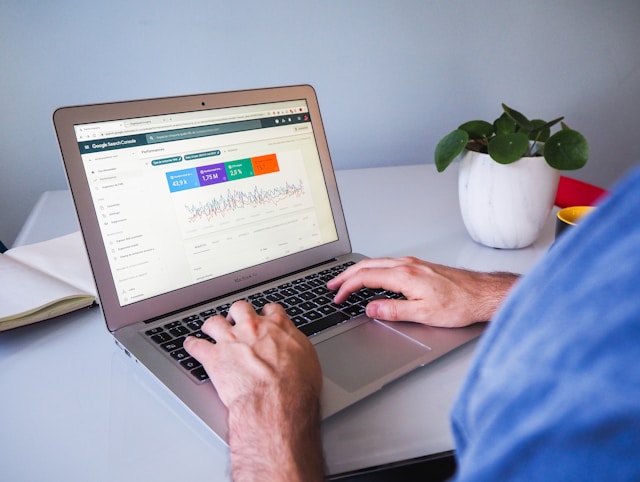
Buyers are increasingly consulting AI to compare brands, check product capabilities and summarise information before they even visit a website
13:03 09 October 2026
AI summary citations are changing how SEO functions. There’s less focus on how high your website’s URL ranks and more focus on being cited in the AI summaries shown at the top of every search.
This change in page indexing means AI SEO is no longer an optional extension of current practices, but a critical part of your page’s SEO strategy.
What is AI search optimisation?
AI search engine optimisation refers to the practice of publishing digital content so it can be easily discovered, understood and cited by AI-powered search engines and answer summaries.
The goal of AI SEO is not to be one of the first blue links to show up on a search page, but to be cited in an AI summary.
Unlike traditional SEO, which revolves around keywords and backlinks, AI SEO prioritises structure, semantic clarity and contextual completeness.
Have you got the answer?
When people are online, most of the time, they’re looking for an answer that’s simple and precise. That’s where AI summaries come in. AI SEO differs from regular SEO by looking to extract the answer to the searcher’s query, and citing your page as a source.
Before any links are shown to the searcher an AI overview combines information from a selection of pages and presents this to the viewer.
There’s no longer any need to scroll down the page, unless looking for something specific, so making your website visible to new users just became a little more complicated.
How is AI optimisation different from traditional SEO?
To appeal to AI you first need to know what needs to be done differently.
You could rank highly, and still be disincluded from a summary, so what’s the difference between these two types of optimisation?
- Traditional SEO measures clicks to focus on indexing and ranking.
- AI SEO takes a comprehensive approach, looking at your website in its entirety to regurgitate its information to the user.
Previously search engines determined the placements of URLs. Now, AI engines take that a step further by crawling the website to determine whether the information on the page is credible enough to contribute to a generated answer.
This shift isn't a minor update, it's a structural reset in how discovery online works.
And your SEO teams now have to expand their reflections from ‘Does this page show up on the search page?’ to ‘Are we being cited, and if so, are we being correctly represented?’.
Both the volume and accuracy of citations need to be considered here.
To influence how your business or brand appears in AI summaries, your content must prioritise:
-
Credibility. All information on your page must be well supported and trustworthy.
-
Clarity. Information should be easy to extract and logical
-
Context. Definitions should be explicit, and necessary background information should be included.
Who cares about summaries?
Your customers. Probably.
You might not care about being in the summaries made by AI but your users and customer base very likely do. Generative AI is a large and constant presence at every point of a buyer’s journey.
In an Adobe study, out of the participants already using AI platforms, 72% said they rely on AI as their primary tool for researching products and brands.
Buyers are increasingly consulting AI to compare brands, check product capabilities and summarise information before they even visit a website themselves. This makes it a vital tool in being a widely recognised brand.
Not only does being included in summaries assure customers of your credibility and presence, but it also draws in new customers who weren’t even aware you were a solution for a problem they have.
What are the next steps for you?
As already mentioned, this isn’t a small tweak in web content, the move to incorporate AI SEO with your current SEO approach is a whole new strategy.
Investing in a digital marketing team that takes a comprehensive approach to seo services is the first step.
How you think about your web page’s content and structure needs to adapt to the way your customers are now navigating the internet and making purchases. And a third party who is specialised in carrying out this strategy will make sure all bases are covered.
Final thoughts
Visibility is no longer only about clicks. AI summary citations have shaken up the way people browse, shop and plan. And to keep up with new habits, the way you approach your web design, content and page hierarchies have to adapt to AI crawlability and comprehension.
The best way to do this is by investing in a digital marketing team and strategy that accounts for both traditional keyword ranking in combination with newer AI optimisation practices.