- Change theme

Why door maintenance is key for building owners
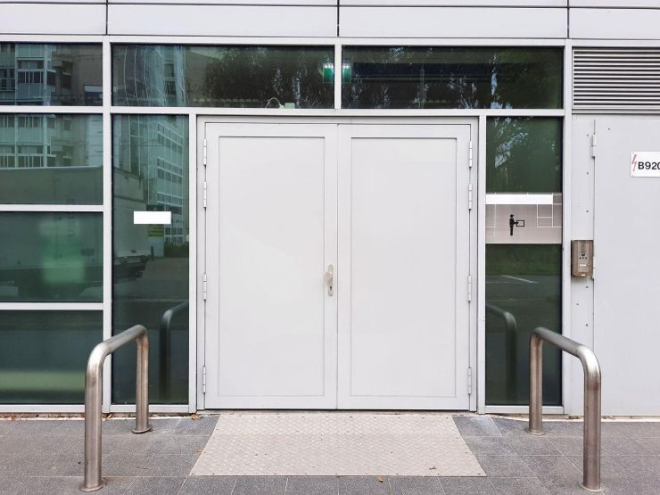
Regularly maintaining the doors around your building makes sure they never fall short of the standard expected of them, and prevents accidents
13:31 02 October 2026
Doors are integral to a building’s construction. And they’re in constant use, especially in commercial buildings. Hundreds of people will come and go daily, which over time takes effect on the doors.
For this reason, it’s crucial for building owners to carry out regular maintenance on the doors around their building. Not only could this catch a problem before it becomes an expensive repair, but it can also guarantee legal compliance and safety for all users.
Why is door maintenance so important?
Safety
A door’s primary purpose is to offer safety and security. Some doors are specialised for this function. For example:
- Fire and escape doors
- Smoke doors
- Panic doors
- High-security doors
Safety doors should be tested more regularly than standard models. For communal areas of a building, the fire doors should be tested by a qualified person at least every three months.
Fire and escape door maintenance negligence is a criminal offence, so it’s essential that you are regularly checking these in particular.
These checks include making sure any self-closing devices or automated safety functions are working properly.
Energy efficiency
Doors that close and seal properly improve energy efficiency. This is especially helpful in the winter months.
Reducing your heating costs, energy energy efficient doors keep rooms warm in winter and cool in summer.
Operational efficiency
Taking care to keep your building’s doors and barriers well maintained means they last longer, and have less chance of failing due to wear and tear.
Keeping up with door maintenance allows you to catch small problems before they become big. There’s no need to hold up business or close building sections to repair faulty doors.
Compliance with regulations
As a landlord, manager or building owner you have to make sure that the doors in your building comply with legal regulations. In the UK, for example, this could be those set by the Health and Safety Executive (HSE) and the British Standards Institutions (BSI).
Regular maintenance avoids legal claims against you by meeting these requirements.
A run-down of compliance and regulatory standards in the UK
For buildings in the UK, there are several regulatory bodies that oversee the safety and functionality of doors, barriers and gates. These include:
- The Door and Hardware Federation (DHF)
- The Automatic Door Suppliers Association (ADSA)
- The Automatic Door Installation Association (ADIA)
Doors in your building must satisfy the guidelines set out by the following bodies:
Health and Safety Executive
The Health and Safety Executive (HSE) is Britain’s national regulator for workplace safety and welfare. Their regulations set standards, prevent harm and protect people.
And one of the aspects of their inspections is making sure doors and gates are serving their purpose and operate safely.
Regularly maintaining the doors around your building makes sure they never fall short of the standard expected of them, and prevents accidents and injury.
British Standards Institution
Created in 1901 to improve product safety and business efficiency, the British Standards Institution (BSI) sets standards for a variety of doors and barriers.
One example of this is BS EN 16005, which covers the safety of powered doors.
How often should doors in a commercial building be serviced?
Doors, gates and barriers should be regularly serviced to keep them up to standard. Not only does this improve safety, it also keeps the door functional and long-lasting.
For doors that are used constantly, servicing them every 3-6 months is recommended. Service frequency depends on door type, usage level, and legal safety requirements rather than a set schedule.
Weather changes, high-use and timely wear and tear means your doors can fail if not well maintained. Regular services guarantee they adhere to UK guidelines and safety standards.
Calling a locksmith
During maintenance, if you find the door not closing fully, or locking properly, call a locksmith out to take a look. Investing in professional checks and lock repair when necessary saves you time and money in the long run.
Dealing with the fault right away also keeps your doors legally compliant and safe for your staff, tenants and visitors to use.
Final thoughts
As a building owner you’re responsible for a lot, so lighten your load by making regular door maintenance a key part of your daily checks.
Regular checking means your doors are less likely to need expensive repairs and replacements, and they keep everyone in the building safe.
If you do notice a problem with your building’s doors, call a locksmith to resolve the problem quickly. Keeping everything compliant and working as needed.