- Change theme

How to stop bees from reinfesting after removal
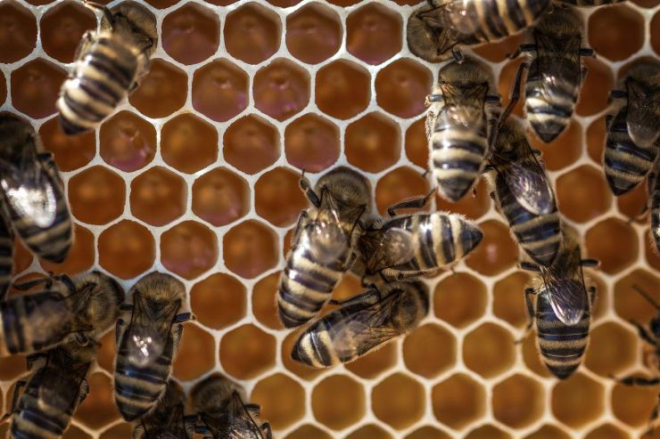
Damaging the nest will likely lead to angry bees and a continued infestation as they work to re-build their home.
14:00 02 October 2026
Bees are crucial for biodiversity and the wider environment, so while we want to see them around the garden carrying out their important work, having a bee infestation is no joke.
But nest removal is just the beginning of clearing an infestation. And bees, in particular, are persistent.
To prevent future infestations, make sure you’re finishing the job completely. This means having some extra care when cleaning up and taking precautions against returning critters of all kinds.
If you’ve recently had a bee nest removal, here’s what to do next.
Does destroying the nest get rid of bees?
Not necessarily. Damaging the nest will likely lead to angry bees and a continued infestation as they work to re-build their home.
Failing to fully remove the nest may even attract other pests. Honey bee nests, for example, could leave sugary substances behind that rodents and ants love.
What to do if you find a bee nest in your home?
Contact a professional. Bees' nests should not be dealt with by yourself. Not only could they sting and cause serious harm, but not fully removing the nest can lead to more problems.
If the nest is in an awkward place to reach you may end up leaving sections behind, leading to more problems and further infestations.
To reduce the risk of repeated bee-related problems, call a pest control expert immediately after noticing a nest.
Why do bees return after a nest removal?
There are two key reasons behind a bee’s return after a nest removal, these are pheromones and foraging.
Leftover pheromones, beeswax and honey residue all signal to scouting bees that the location is a safe spot to build a nest. Not clearing the space after removal means the scents still attached to the space of infestation will continue to draw in bees.
At the time of the nest removal the foraging bees that were out will continue to return to the nest to look for their colony. This is normal, and over time these bees will disperse and reduce in numbers.
How to stop bees from returning after removal?
Bees, and other critters will continue to use safe spaces to shelter around your property if they’re not completely cleared after removal.
To prevent recurring infestations, make sure you’re doing the following after clearing a bee nest:
Clean the infestation site
After the bee nest removal, scrape the area to remove all the old comb, wax and honey that’s been left behind. If the nest was in a void, chimney or eaves, it can get caught in small gaps and cracks so be sure to be thorough.
Once the bulk has been removed, scrub the area with soap and water or a specialised cleaner. This gets rid of the tracking pheromones and scents that draws new bees in and allows foraging bees to return.
Seal any entry points
Once you’ve cleaned the space, seal any entry points that new bees and other pests could use to build a nest on your property.
Bees will choose to nest somewhere undisturbed so there’s probably lots of little entryways for them to get in without notice.
To deter bees:
- Fill small cracks with caulk
- Cover larger gapping with fine mesh that can’t be chewed through
- Barricade or board up large cavities to make entry more difficult
- Cap chimneys
Keep an eye out for foragers
Returning foragers are to be expected. As long as the site is cleaned and sealed properly these bees will eventually disperse. They can’t work or build a nest without their queen and hive, so they won’t cause any problems by returning for a few weeks.
If other new pests discover the area and move in, contact a pest control expert to make sure the site is clear and that any newcomers are dealt with quickly.
Final thoughts
Bees are vital to our world, but letting them nest in your home isn’t ideal. To keep the bees and your home safe, protect green spaces and take precautions to keep bees outside of your home.
Having the nest removed is just the beginning of tackling a bee infestation. Make sure you take care after the removal to clear any leftovers and seal the gap to make sure other pests and returning bees cannot enter.
Enlisting a professional makes sure the clean up is thorough and the work is done properly to prevent future infestations from occurring.