- Change theme

Why Bed Bugs Are Harder to Remove Than You Think
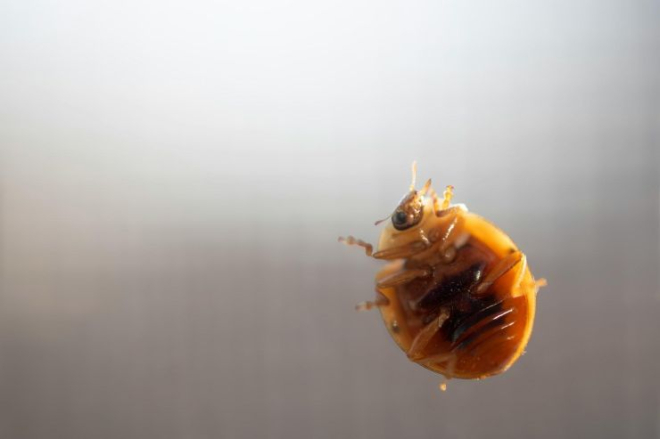
Bed bugs are difficult to eliminate because they are exceptionally good at staying out of sight. They hide in tiny spaces, can survive for long period
14:06 02 October 2026
Clean the room, wash the bedding and treat the affected area… unfortunately, bed bugs rarely make things that simple.
Their size, behaviour and lifecycle allow them to remain hidden while an infestation develops. They can also spread beyond the bed itself, making it difficult to know how far the problem has reached.
Why Are Bed Bugs So Difficult to Get Rid Of?
Bed bugs are difficult to eliminate because they are exceptionally good at staying out of sight. They hide in tiny spaces, can survive for long periods without feeding and reproduce throughout an infestation.
You may only see a small number of bed bugs even when a lot more are present. Eggs and young bed bugs can be particularly difficult to spot.
Killing the insects you can see does not necessarily deal with the infestation.
Bed Bugs Are Experts at Hiding
Adult bed bugs are small and have flat bodies that allow them to squeeze into narrow gaps. They usually stay close to places where people sleep or spend long periods sitting.
A mattress is an obvious place to check, but it is far from the only hiding place. Bed bugs are also found around bed frames, headboards, bedside furniture, sofas and skirting boards. They can hide within cracks, joints and other small spaces that are easily overlooked.
An Infestation Can Be Bigger Than It Looks
One of the biggest problems with bed bugs is that visible activity does not show the infestation's true extent.
An infestation can contain eggs, nymphs and adult bed bugs at the same time. Different insects may also be hiding in different parts of the room or property.
Professionalbed bug treatment targets the infestation beyond the insects that are immediately visible. A pest controller will have the experience of likely hiding places and can determine how extensively the bed bugs have spread.
This becomes particularly important when the infestation has moved beyond one room.
Bed Bugs Can Survive Without Feeding
Bed bugs feed on blood, but they do not need to feed every day. Even under normal conditions, they can survive for months without a meal. In cooler temperatures it can be even longer.
This means leaving an affected bedroom empty is unlikely to provide a quick solution. Bed bugs may simply remain hidden rather than disappearing because nobody is sleeping there.
Moving to another bedroom can also cause problems. Bed bugs will spread into previously unaffected areas.
Bed Bug Eggs Make Removal More Difficult
An infestation does not only consist of the adult bed bugs you might find around your mattress.
Female bed bugs lay small eggs in protected areas. These can be difficult to see and may be hidden within cracks and crevices.
The eggs are one reason why even professional removal may need follow-up work. Depending on the treatment and the extent of the infestation, further visits may be needed to deal with continuing activity.
Following the pest controller's preparation and aftercare instructions is therefore an important part of the process.
Why Does DIY Bed Bug Removal Often Fall Short?
When you discover bed bugs, the first reaction may be to reach for an insect spray. Then wash your bedding and vacuum.
The difficulty is reaching every affected area.
A household insecticide might kill bed bugs it contacts without reaching insects hidden elsewhere. Moving or disposing of a mattress may not solve the problem either. Bed bugs could already be living in the bed frame, furniture or surrounding room.
There is also a risk of spreading the infestation while moving affected belongings around the property.
Professional pest control takes a broader approach. Rather than concentrating solely on the bed, the aim is to establish where the infestation is present and treat it there.
How Do Bed Bugs Spread Around a Property?
Bed bugs cannot fly or jump, but they are effective hitchhikers. They can be transported between locations in luggage, clothing, furniture and other belongings.
Once inside a property, they can also move into neighbouring rooms. This can make infestations particularly challenging in hotels, HMOs, flats and other buildings with multiple occupants.
Second-hand furniture can provide another route into a property. Upholstered furniture, bed frames and mattresses should therefore be checked carefully before being brought indoors.
Professional Bed Bug Removal Targets More Than the Bed
The approach will depend on factors such as the property, infestation level and areas affected.
You may get instructions about preparing rooms before treatment and what to do afterwards. Following these instructions can help the treatment work as intended.
Further monitoring or treatment may be recommended where necessary. Bed bugs are persistent, so confirming that activity has stopped can be just as important as the initial visit.
Acting Early Makes Bed Bugs Easier to Control
Bed bugs are difficult to remove because many of their natural behaviours help them avoid detection.
If you find signs of an infestation, arranging professional bed bug removal early can prevent it becoming more established. And where the problem requires a rapid response, emergency pest control can help identify the extent of the infestation and determine the appropriate next steps.