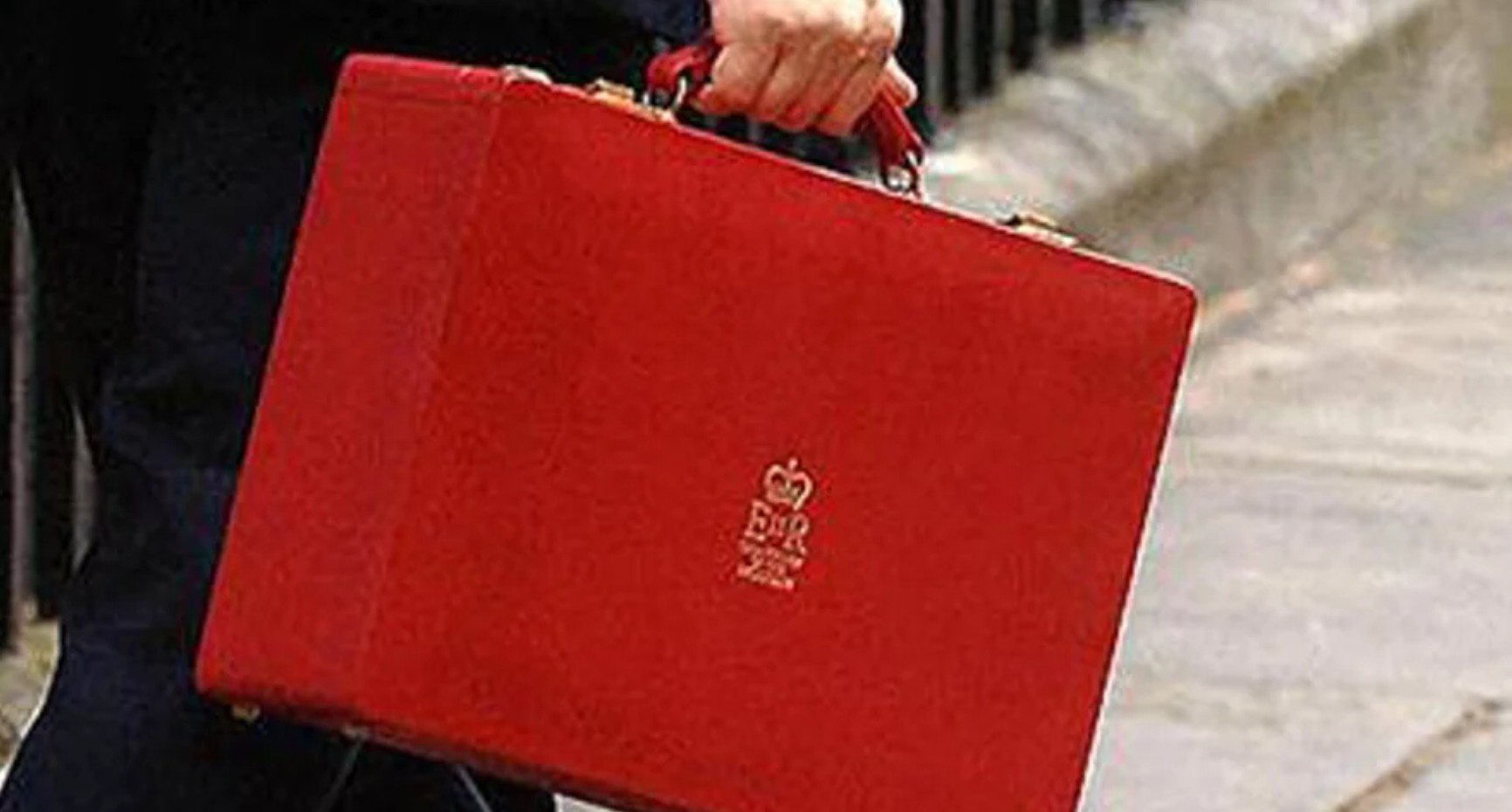
Bereaved families will not be hit with a tax bill because a pension payout was delayed, under new rules, we can report.
The change is aimed at people who are dealing with the death of a loved one while also waiting on pension providers to release money. Delays of that kind are outside a family's control, and under the new rules families will not be penalised for them.
Passing on a pension
When someone with a pension dies, the scheme or provider has to work out who is entitled to what is left. That usually means checking the member's wishes, confirming the identity of beneficiaries and, in some cases, obtaining paperwork such as a death certificate or grant of probate. Each step can take time, and the money often cannot be touched until the process is complete.
Pensions have traditionally sat largely outside the estate for inheritance tax purposes. That is due to change. Under measures announced by the government, most unused pension pots are due to fall within inheritance tax from April 2027.
The tax deadline
Inheritance tax is charged at 40% on the part of an estate above the nil-rate band, which is currently £325,000. Extra allowances can raise that threshold for some families, including when a main home passes to children or grandchildren.
Normally, any tax due must be paid by the end of the sixth month after the person's death. Interest can be charged on tax paid after that point. Families and executors have long faced the problem of needing to settle a bill before they can access all the money in the estate.
With pensions due to join the estate for inheritance tax, that problem could have become more pressing, as a pension provider's delay in releasing funds might have left executors short of cash when the deadline arrived. The new rules mean a late pension payout will not leave a grieving family facing a penalty.
Photo: Unsplash