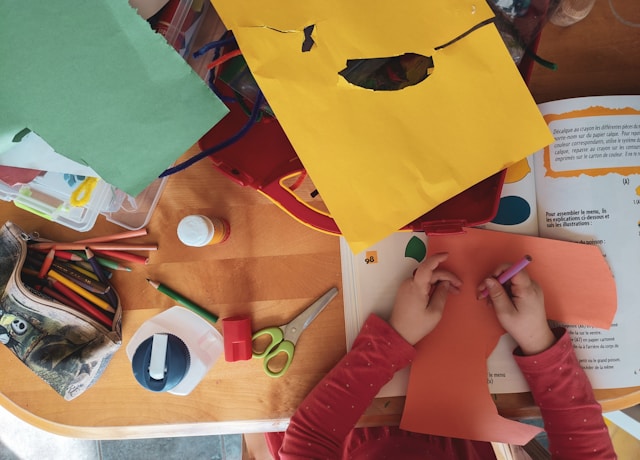
Kindergarten in Melbourne serves as a pivotal stage in a child's early development, offering a structured yet playful environment where young learners embark on their educational journey. These programs, designed for children aged three to five, are integral in laying the foundation for future academic and social success.
Understanding Kindergarten in Melbourne
What Is Kindergarten?
The kindergarten Melbourne encompasses early childhood education programs tailored for children before they commence formal schooling. These programs are typically divided into:
- Three-Year-Old Kindergarten: Aimed at children who turn three by April 30, focusing on fostering social skills, early literacy, and numeracy through play-based learning.
- Four-Year-Old Kindergarten: Building upon the foundation laid in the previous year, this program delves deeper into structured learning, preparing children for the transition to school.
The Importance of Kindergarten
Engaging in a kindergarten program offers numerous benefits:
- Social Development: Children learn to interact with peers, share, and collaborate, enhancing their social skills.
- Cognitive Growth: Activities designed to stimulate thinking and problem-solving abilities are integral, promoting cognitive development.
- Emotional Readiness: Kindergarten helps children develop emotional resilience and self-regulation, crucial for adapting to school environments.
Types of Kindergarten Programs
Standalone (Sessional) Kindergartens
These are dedicated kindergarten facilities operating during specific hours, often aligned with school terms. They focus solely on delivering educational programs without the inclusion of extended childcare services.
Integrated Kindergarten Programs
Offered within long-day care centers, these programs combine early learning with extended childcare hours. This setup is beneficial for working parents, providing a seamless integration of care and education.
Curriculum Frameworks
Kindergarten programs in Melbourne adhere to established educational frameworks to ensure quality learning experiences:
- Victorian Early Years Learning and Development Framework (VEYLDF): Guides educators in delivering programs that support children's learning and development across various domains.
- Early Years Learning Framework (EYLF): A national framework focusing on outcomes such as children having a strong sense of identity, being connected with and contributing to their world, and being effective communicators.
Enrolment and Accessibility
Free Kindergarten Initiative
Since 2023, the Victorian Government has implemented a policy offering free kindergarten programs for three- and four-year-olds at participating services. This initiative aims to make early education more accessible to all families, reducing financial barriers to quality learning experiences.
How to Enrol
Parents can enroll their children by:
- Researching Local Options: Utilize resources like the Find a Kinder tool to locate nearby programs.
- Contacting Centers Directly: Reach out to preferred centers to inquire about availability, program details, and enrolment procedures.
- Preparing Necessary Documentation: Ensure to have the required documents, such as proof of age and immunization records, when applying.
Choosing the Right Kindergarten Program
Selecting an appropriate kindergarten program involves considering various factors:
- Location: Proximity to home or work can influence convenience and consistency.
- Program Type: Decide between standalone or integrated programs based on family needs.
- Philosophy and Approach: Some centers may follow specific educational philosophies, such as Reggio Emilia or Montessori, which might align with your educational values.
- Facilities and Resources: Assess the quality of facilities, educator qualifications, and available resources to ensure a conducive learning environment.
Conclusion
Kindergarten in Melbourne plays a crucial role in a child's early development, offering a blend of education and care that sets the stage for lifelong learning. By understanding the types of programs available, the benefits they offer, and how to access them, parents can make informed decisions that best support their child's growth and readiness for school.