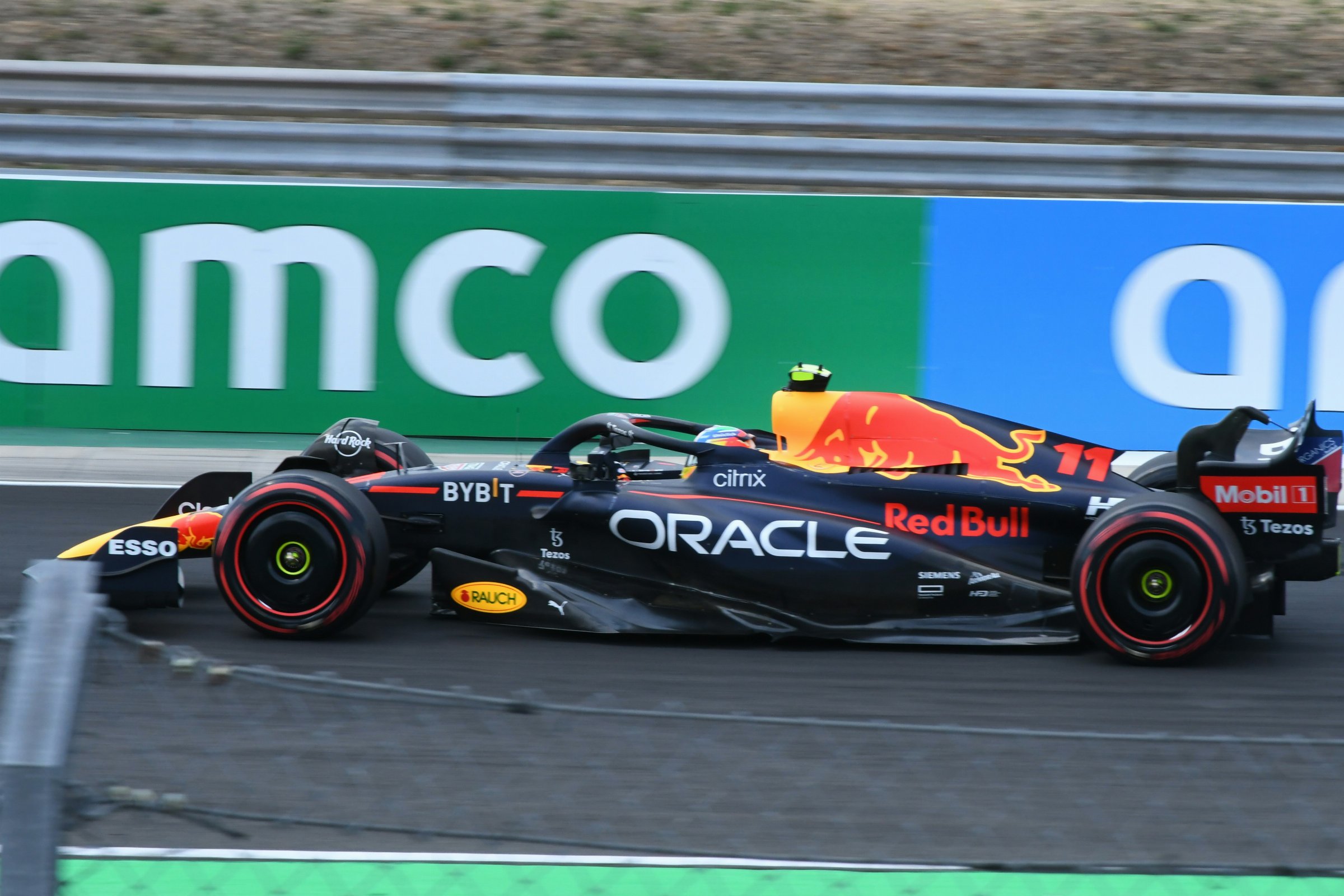
A simpler and cheaper hybrid V8 engine has been proposed for the next set of Formula One rules. It would mark a change of direction for the sport's power units, which have grown steadily more complex and expensive since the hybrid era began.
The idea is a proposal only. It hasn't been agreed, and no date has been set for any switch.
The engines
A V8 is an engine with eight cylinders arranged in two banks of four, set at an angle to form a V. A cylinder is the chamber where fuel burns and pushes a piston, and the more cylinders an engine has, the more of these small explosions it can produce in each turn. F1 used 2.4-litre V8s from 2006 to 2013, after the V10 engines that came before them. The litre figure describes the combined volume of the cylinders. The cars today use turbocharged 1.6-litre V6 hybrids, which arrived in 2014. A turbocharger uses exhaust gases to spin a turbine that forces more air into the engine, allowing a smaller engine to make more power.
A hybrid power unit pairs a combustion engine with electric motors. In F1, energy that would otherwise be wasted, such as heat from the exhaust or the braking force of the car, is captured and stored in a battery. The driver can then deploy it as extra power. The sport first allowed a basic version of this in 2009, and the systems have become far more sophisticated since.
The cost question
That sophistication is expensive. Developing a modern F1 power unit takes years of work and very large budgets, and the technology is intricate enough that only a handful of manufacturers have been able to build one. Simpler engines would be intended to lower those costs and make the rules easier to follow for existing and prospective suppliers.
A simpler design could also be lighter and easier to build, though how a V8 hybrid would be specified under the proposal has not been confirmed. Details such as how much of the car's power would come from the electric side, and how the energy systems would work, would need to be settled before any engine could be designed.
The process
Rule changes in F1 aren't made by one body alone. They are normally discussed between the FIA, the sport's governing body, Formula One Management, which runs the championship commercially, and the teams and engine makers. Agreed changes are then written into the technical regulations, the document that sets out what the cars and engines may and may not do, and they usually need formal approval from the sport's decision-making bodies before they take effect. Until that happens, a proposal like the hybrid V8 remains an idea under discussion rather than a rule.