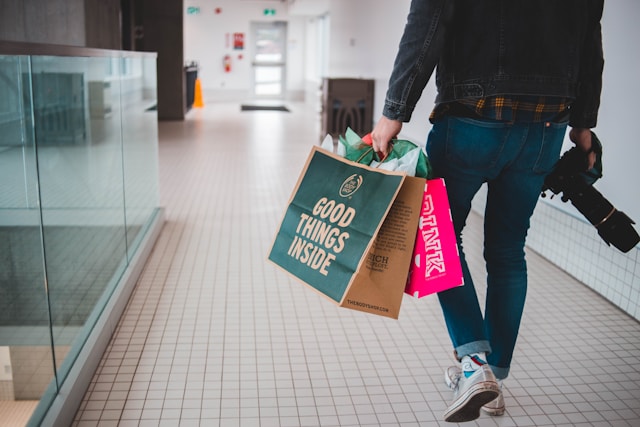
Online shopping continues to grow rapidly across the globe, bringing convenience straight to our doorsteps. However, this massive surge in deliveries has also created a serious packaging waste problem. Modern shoppers are paying close attention to how their orders arrive, and many now prefer buying from brands that protect the planet. Choosing custom corrugated shipping carton boxes is one of the smartest ways online businesses can reduce waste while keeping products safe during transit.
Understanding what truly makes packaging sustainable can feel confusing at first. Many companies use green colors or leaf logos on their parcels, yet the materials inside still end up in landfills. True sustainable e-commerce packaging goes beyond surface appearances and focuses on the entire lifecycle of the material, from sourcing to disposal.
1. Recycled and Recyclable Materials
The foundation of eco-friendly packaging lies in what the box or mailer is actually made from. Sustainable packaging relies heavily on post-consumer recycled content, which reduces the need to cut down fresh trees or extract new fossil fuels. Just as important is ensuring that the customer can easily recycle the package through standard curbside programs once they open their order.
Corrugated cardboard remains the gold standard for online shipping because it is widely accepted at recycling facilities worldwide. Paper-based mailers, kraft paper tape, and molded pulp inserts also break down naturally without leaving harmful microplastics behind. Avoiding mixed materials—such as cardboard bonded with thick plastic films—makes recycling simple and effective for the end user.
2. Right-Sized Packaging to Cut Waste
Have you ever ordered a small bottle of vitamins only to receive it inside a massive box stuffed with plastic air pillows? Oversized packaging is one of the biggest sources of unnecessary waste in the e-commerce industry. When boxes are too large, businesses waste raw materials on the carton itself and spend extra money on void fill to stop items from sliding around.
Right-sizing means designing boxes that fit the exact dimensions of the product. Smaller, snug packages take up less space on delivery trucks, which lowers fuel consumption and reduces carbon emissions per shipment. Customers also appreciate receiving neat, compact parcels that do not overflow their home recycling bins.
3. Biodegradable and Compostable Alternatives
When protective cushioning or mailers are necessary, plant-based alternatives offer a clean break from traditional petroleum plastics. Truly sustainable options include materials made from cornstarch, mushroom mycelium, bamboo, and cellulose. These materials perform just like conventional foam or poly mailers during shipping, protecting fragile goods from bumps and moisture.
- Home Compostable Mailers: Made from plant starches that break down into nutrient-rich soil within a few months in a backyard compost bin.
- Starch-Based Packing Peanuts: Dissolve completely in water, leaving zero toxic residue behind.
- Corrugated Bubble Wrap: Upcycled cardboard sheets cut into a honeycomb pattern to cushion delicate items without plastic.
4. Eco-Friendly Inks and Adhesives
A recyclable box can quickly become unrecyclable if it is covered in heavy chemical coatings, metallic foils, or petroleum-based inks. Sustainable packaging uses soy-based or water-based inks that deliver vibrant branding without releasing volatile organic compounds into the air. These natural inks are also much easier to remove during the paper recycling process.
Similarly, water-activated paper tape reinforced with natural starch adhesives creates a tamper-evident seal while keeping the entire package 100% paper-based. Customers do not even need to peel the tape off before flattening the box for recycling. Partnering with knowledgeable manufacturers like PackFancy helps e-commerce brands select clean inks, safe adhesives, and certified boards that maintain premium visual appeal without harming the environment.
5. Reusability and Circular Design
The most sustainable package is one that gets used more than once before being recycled. Forward-thinking brands are designing shipping boxes and mailers with built-in second lives. For example, mailers with dual adhesive strips allow customers to easily reseal the exact same bag if they need to return an item.
Other brands print creative templates inside their boxes so customers can fold them into desk organizers, storage bins, or children's toys. Encouraging reuse extends the lifespan of the raw materials and builds a memorable, interactive unboxing experience that shoppers love sharing on social media.
6. Certified and Ethical Sourcing
Finally, genuine sustainability requires transparency across the supply chain. Look for certifications from trusted organizations such as the Forest Stewardship Council (FSC) or the Sustainable Forestry Initiative (SFI). These labels guarantee that the wood fibers used to make paper and cardboard come from responsibly managed forests where trees are replanted and local ecosystems are protected.
Conclusion
Sustainable e-commerce packaging is a combination of smart material choices, efficient sizing, clean printing, and thoughtful design. By moving away from single-use plastics and oversized cartons, online retailers can lower shipping costs, satisfy eco-conscious buyers, and make a measurable positive impact on the planet. Investing in responsible packaging is no longer just an ethical choice—it is a smart business strategy for long-term growth.