
When managing remote properties, monitoring temperature becomes critical for preventing costly damage and ensuring safety. While WiFi-based solutions work well in urban settings, they fall short in remote locations where internet connectivity is unreliable or nonexistent. Cellular temperature monitoring is a modern alternative that delivers consistent performance regardless of location.
Why Traditional WiFi Monitoring Falls Short in Remote Locations
Remote properties present unique challenges that WiFi-based monitoring systems struggle to address:
Infrastructure Dependencies: WiFi networks require constant power and stable internet connectivity. When either fails, your monitoring system goes dark exactly when you need it most.
Limited Range: WiFi routers typically cover 100-300 feet, insufficient for monitoring multiple buildings or large properties common in rural settings.
Maintenance Complexity: Remote WiFi systems require regular updates, password management, and troubleshooting - difficult when you're hundreds of miles away.
Seasonal Reliability: Many remote properties have intermittent internet service, particularly seasonal cabins where owners may cancel service during unused months.
The Cellular Advantage: Comprehensive Coverage and Reliability
Cellular temperature monitoring systems overcome these limitations by leveraging existing cellular infrastructure that covers even the most remote locations.
Superior Coverage and Reliability
Cellular networks provide extensive coverage that often surpasses local WiFi availability. Major carriers continuously expand their networks, ensuring monitoring capabilities in previously unreachable areas. Unlike WiFi systems that depend on local infrastructure, cellular monitoring operates independently of your property's internet connection.
Simplified Installation and Management
Cellular monitoring devices typically offer plug-and-play functionality. Without WiFi passwords, network configurations, or router compatibility issues, installation becomes straightforward. This simplicity proves invaluable for remote properties where technical support isn't readily available.
Continuous Operation During Outages
Power outages that disable WiFi routers and internet modems don't necessarily affect cellular towers. Many cellular monitoring devices include battery backup, maintaining operation for days during extended outages.
Essential Features for Effective Cellular Temperature Monitoring
Temperature Range and Precision
Professional-grade cellular monitors should provide accuracy within ±0.5°C across operating ranges from -40°C to 60°C. This precision ensures reliable freeze protection and overheat detection critical for property protection.
Multi-Zone Monitoring Capability
The ability to connect multiple sensors allows comprehensive monitoring of different areas from a single cellular device. This proves essential for monitoring basements, equipment rooms, and multiple buildings across larger properties.
Intelligent Alert Systems
Effective cellular monitoring systems provide customizable alert thresholds with multiple notification methods. Look for systems offering:
- Immediate SMS and email notifications
- Customizable temperature ranges
- Multiple contact support for backup notifications
- Integration with property management systems
Data Logging and Historical Analysis
Comprehensive data logging enables trend analysis and pattern recognition. Cloud-based storage accessible through cellular connections ensures data availability regardless of local connectivity issues.
Battery Backup and Power Management
Extended battery life becomes crucial during power outages. Quality cellular monitors provide several days of backup operation while maintaining cellular connectivity for continued monitoring and alerts.
Real-World Applications Across Industries
Vacation and Seasonal Properties
Remote cabins and vacation homes face unique challenges with freeze protection and security monitoring. Cellular systems monitor for dangerous temperature drops that could burst pipes, excessive heat indicating fire risk, or humidity changes suggesting water intrusion.
Agricultural Operations
Farm operations often require monitoring in locations where WiFi infrastructure doesn't exist. Cellular monitoring protects stored crops, monitors livestock housing conditions, and ensures proper storage temperatures for seeds and equipment.
Industrial and Commercial Applications
Remote equipment monitoring, generator houses, and unmanned facilities benefit from cellular temperature monitoring. These applications often exist in industrial areas where cellular coverage is strong but WiFi infrastructure is impractical.
Property Management
Professional property managers increasingly rely on cellular monitoring for vacant properties, rental units, and commercial spaces. The technology eliminates dependence on tenant-controlled WiFi networks while providing consistent monitoring across diverse properties.
Implementation Best Practices
Strategic Sensor Placement
Effective monitoring requires thoughtful sensor placement in areas most vulnerable to temperature extremes. Key locations include:
- Basement areas prone to freezing
- Rooms with exposed plumbing
- Equipment areas with temperature-sensitive machinery
- Storage areas containing valuable inventory
Avoid placing sensors near heat sources, in direct sunlight, or areas with significant air movement that could skew readings.
Alert Configuration Strategy
Implement a tiered alert system with immediate notifications for critical temperatures and routine reports for trend monitoring. Configure multiple notification methods and backup contacts to ensure alerts reach responsible parties reliably.
Regular System Testing
Monthly testing ensures your cellular monitoring system functions properly. Verify sensor accuracy, test alert delivery, and confirm cellular connectivity strength to maintain system reliability.
Cost Considerations and ROI Analysis
Cellular monitoring typically involves monthly service fees ranging from $10-30, depending on which cellular temperature monitor you choose, usage and features. When evaluated against potential damage costs from frozen pipes, spoiled inventory, or equipment failure, these fees represent wise property protection investments.
Consider total ownership costs including device purchase, monthly service fees, additional sensors, and any installation requirements. Many property owners find the investment pays for itself after preventing a single costly incident.
Choosing the Right Cellular Solution
When evaluating cellular temperature monitoring options, prioritize solutions combining reliable hardware with user-friendly software. Look for providers offering:
- Proven cellular connectivity across major networks
- Intuitive dashboard interfaces for easy monitoring
- Responsive customer support for troubleshooting
- Expandable systems that grow with your needs
- Regular firmware updates and feature improvements
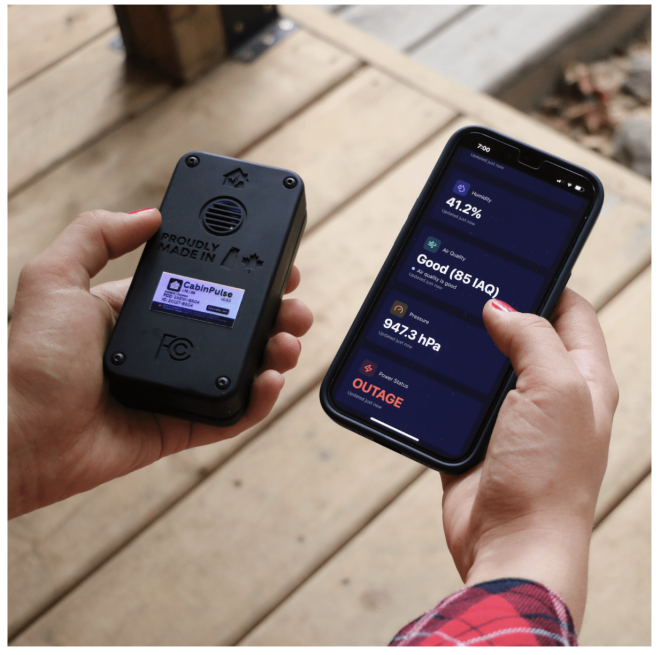
CabinPulse exemplifies effective cellular temperature monitoring, specifically designed for remote properties and vacation homes in Canada and the United States. The system provides pure cellular connectivity without WiFi dependence, extended battery life for seasonal properties, intelligent customizable alerts, and plug-and-play installation. With coverage across major North American networks, CabinPulse demonstrates how purpose-built solutions address specific market needs effectively.
Future Trends in Cellular Monitoring
The cellular monitoring landscape continues evolving with improved sensor technology, enhanced battery life, and expanded IoT integration capabilities. Look for solutions supporting firmware updates and expanding sensor networks to protect your investment as technology advances.
API access and integration capabilities allow cellular monitoring to become part of broader property management strategies, connecting with other smart systems for comprehensive property oversight.
Getting Started with Cellular Temperature Monitoring
Begin implementation by identifying critical monitoring areas and establishing baseline temperature patterns for your property. This foundation enables quick recognition of unusual conditions and optimal alert configuration.
Start with essential areas like basements and equipment rooms, then expand coverage as needed. Most cellular monitoring systems support additional sensors, allowing gradual expansion of your monitoring network.
Cellular temperature monitoring provides unmatched reliability for protecting remote properties and valuable assets. By eliminating WiFi dependencies, these systems deliver consistent monitoring capabilities exactly where traditional solutions fail.
Whether protecting vacation properties from freeze damage, monitoring agricultural storage, or maintaining remote equipment, cellular temperature monitoring offers the reliability and peace of mind that WiFi-dependent solutions cannot match. The investment in cellular monitoring technology pays dividends through prevented damage and enhanced property security.