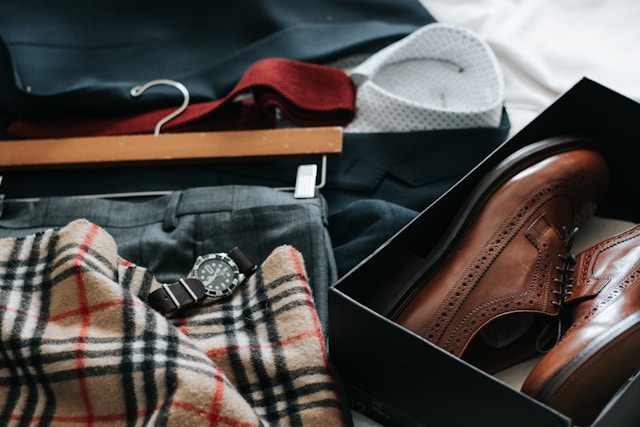
Most wardrobes are not short of clothes. The problem usually appears halfway through the week, when dependable tops are in the laundry basket, yesterday’s trousers are draped over a chair and everything else seems to require ironing.
A seven-day wardrobe rotation is a practical alternative to planning seven separate outfits. It considers when clothes are worn, washed, aired and returned to use. The aim is to keep useful pieces moving through the week without reaching Wednesday and feeling there is nothing to wear.
Start With the Week You Actually Have
Before choosing outfits, look at what the week involves. Two office days, a day at home and a long Saturday outdoors require different clothes from five consecutive days of meetings.
Mark the occasions with genuine requirements. A presentation may call for a polished outfit, while home working allows something more relaxed. Check the weekend forecast if you expect to spend several hours outside.
Start with what is already in the diary, then leave some flexibility for changes.
Choose Three Repeatable Foundations
Rather than creating seven unrelated outfits, begin with three reliable foundations:
- Trousers with a clean top and removable outer layer
- A skirt with a knit or long-sleeved top
- A dress worn with either a cardigan or jacket
Each foundation can appear more than once without looking identical. Change the top, shoes or outer layer while keeping the basic formula.
This approach also accommodates different washing schedules. Trousers and skirts may be ready to wear again after airing, while tops worn close to the body usually enter the laundry basket sooner.
Give Frequently Washed Pieces a Backup
A wardrobe rotation often breaks down at the top. One shirt needs ironing, another is still drying and the remaining option does not work with the planned trousers.
Identify the necklines, sleeve lengths and colours that coordinate with most of your wardrobe. Two versions of a useful shape can be more practical than several statement pieces that only suit one outfit.
Keeping two or three built in bra tops in rotation may suit women who prefer an integrated top for selected outfits, particularly when one is being washed or air-dried. Different necklines can prevent repetition, provided each design works with existing jackets, cardigans and bottoms.
Follow the individual care instructions, as internal components may need reshaping after washing.
Use Warm Layers According to the Forecast
The same level of warmth is rarely necessary throughout the week. A cold railway platform, a heated office and a quick trip to the shops place different demands on an outfit.
Lightweight thermal tops can occupy a specific place in the weekly rotation for colder commutes or longer periods outdoors, rather than becoming the default choice for every winter day.
Check both the forecast and how long you will be outside. On milder days, a regular long-sleeved top and removable cardigan may be enough. Saving warmer layers for the days that need them also prevents unnecessary washing.
Create a Place for Clothes That Can Be Worn Again
The chair covered in half-worn clothes often points to a missing wardrobe category. These garments are not ready to return to the main rail, but they do not yet need washing.
Create a separate space for them. An over-door hook, small rail or dedicated wardrobe section can hold trousers, skirts and cardigans while they air.
Before wearing an item again, inspect the collar, cuffs, underarms and hem. Empty the pockets, treat small marks and hang it properly to avoid unnecessary creases.
Review the Rotation on Sunday
A brief Sunday review can prevent rushed laundry and unnecessary shopping. Look at what was worn, what is still drying and what the coming week requires.
Notice which pieces repeatedly create extra work. A top that needs special washing or trousers that require ironing after every wear may not deserve a regular place in the rotation.
Also note what you reach for most. Frequent wear often reveals which colours, shapes and fabrics genuinely suit your life. You may only need another washable top in a familiar colour—or simply a better place for clothes awaiting their next wear.
A successful rotation should not feel complicated. It should quietly keep the wardrobe moving, so getting dressed on Thursday feels almost as straightforward as it did on Monday.