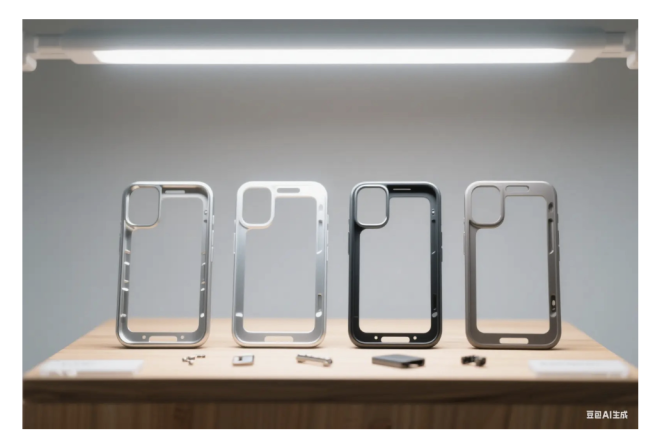
When we pick up a smartphone, it feels solid, smooth, maybe a bit heavy – or surprisingly light. That feeling comes down to what materials are used for phone frames. Usually, brands choose custom cnc parts materials including phone frame materials based on performance, cost, and user experience. And each option, from metal to plastic, has a specific purpose in modern phone design.
Let’s break down the most common options for materials that are used for phone frames and how they shape a phone’s design, performance, feel, and durability.
1. Aluminum Alloy
According to Statista there are over 7.2 billion smartphones worldwide and aluminum is the dominant material for phone frames for mid-range and flagship models. It’s lightweight, durable, and has good heat dissipation.
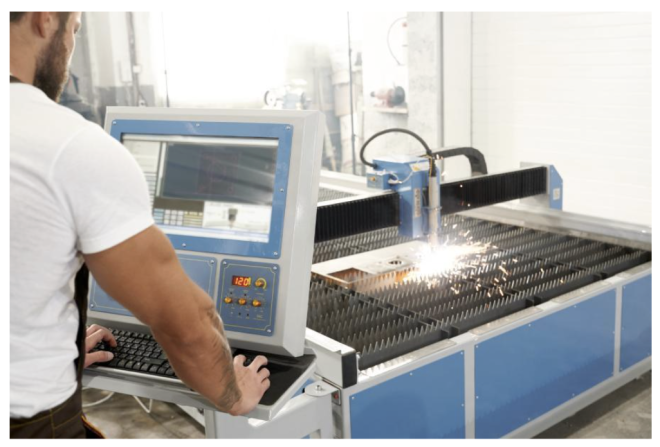
Aluminum is easy to machine for custom cnc parts like phone frames, which makes it a top choice for mass production. It also allows for sleek finishes through processes like anodizing. However, it can dent or scratch more easily than harder materials.
Here’s a breakdown of phones built with aluminum alloy frames.
|
Brands |
Phone Models |
Notes |
|
Apple |
iPhone 6/6s/7/8/SE (2nd, 3rd Gen), iPhone XR/11/12/13/14/15 (non-Pro) |
Standard iPhone models; lightweight, durable |
|
Samsung |
Galaxy S21/S22/S23 (non-Ultra), Note 20 (base model), S20 Fan Edition |
Used in both flagships and mid-range; Note 20 base model has aluminum frame; S20 FE uses aluminum |
|
|
Pixel 4/5/6/7/8 |
Anodized aluminum; blend of weight and heat dissipation |
|
OnePlus |
OnePlus 9/10/11 |
Offers sleek design and better cooling |
|
Sony |
Xperia 10 series |
Mid-range series with aluminum shells |
2. Stainless Steel
This material is heavier than aluminum but much stronger and more resistant to scratches. According to data cited on Wikipedia, stainless steel has a much higher tensile strength than aluminum, typically ranging from 515 to over 1300 MPa depending on the grade. This strength, along with its corrosion resistance, makes it a common choice for high-end smartphone frames and watch bodies.
However, the frames made from stainless steel are harder to process, which drives up manufacturing time and cost. Still, they providebetter rigidity, which is useful for phones with large displays.
Here’s a breakdown of phones built with stainless steel frames.
|
Brands |
Phone Models |
Notes |
|
Apple |
iPhone X/XS/11 Pro/12 Pro/13 Pro/14 Pro |
Polished finish, premium feel, more scratch-resistant |
|
Samsung |
Galaxy Note 20 Ultra |
Used for its enhanced rigidity and premium feel |
|
Vertu |
Vertu Signature Touch |
High-end luxury phones with steel bodies |
3. Titanium
Titanium is lighter than stainless steel but just as strong. It resists corrosion and holds up well in extreme environments. Research from Unionfab, a specialist in advanced manufacturing, highlights that titanium alloy has a remarkable strength-to-weight ratio. This makes it well-suited for custom cnc parts such as smartphone frames.
On the flip side, Titanium is not easy to work with – it’s tough on tools and requires slower, more precise machining. That makes it expensive. But for brands wanting to stand out, it’s worth the cost!
Here’s a breakdown of phones built with titanium frames.
|
Brands |
Phone Models |
Notes |
|
Apple |
iPhone 15 Pro/15 Pro Max |
First mainstream models with titanium frame |
|
Essential |
Essential Phone PH-1 |
Titanium and ceramic construction |
|
Turing Robotics |
Turing Phone |
Experimental titanium + liquidmetal combo |
|
Vertu |
Vertu Signature (premium series) |
Used in luxury titanium editionsCAT rugged phones (select internal frames) |
|
CAT |
CAT rugged phones (select internal frames) |
Not visible, but used for structural strength |
4. Specialized Plastics and Composites
Not all phones need metal. Polycarbonate and glass-filled plastics are often used in budget phones or specific use cases like rugged devices. Plastics are easy to mold, lightweight, and resistant to impact. They also don’t interfere with wireless signals, making them practical for internal frames or antenna areas.
Some brands mix plastic with fiberglass or carbon fiber for added strength. These materials are cheaper to manufacture and allow more flexibility in shape and color.
Here’s a breakdown of phones built with plastics and composites frames.
|
Brands |
Phone Models |
Notes |
|
Samsung |
Galaxy A12 / A14 / A32 / A52 / A53 / A72 |
Matte polycarbonate design |
|
Motorola |
Moto G Power / G Stylus / G Play |
Budget-friendly durable builds |
|
Nokia |
Nokia XR20 / Nokia 5.3 |
Some with recycled plastic bodies |
|
Fairphone |
Fairphone 4 |
Modular and repair-friendly plastic build |
|
Xiaomi, Realme, ASUS |
Redmi Note 11 / Realme Narzo 50 / ASUS Zenfone Max series |
Affordable phones with lightweight plastic frames |
Things to Consider When Choosing a Frame Material
When picking the right material for custom cnc parts such as phone frames, there’s more to think about than just looks. Each material affects the phone’s weight, strength, signal quality, cost, and overall design.
The balance between these factors can shape the user experience and impact how easy or expensive the phone is to build. Here are a few key points to weigh up when choosing a frame material:
- Weight vs. Strength: Titanium offers the best of both, but aluminum is more common due to its low weight and easier processing.
- Signal Performance: Plastics and composites allow for better wireless signal flow. Metal frames often require antenna cutouts or internal solutions.
- Cost of Production: Stainless steel and titanium are more expensive to work with. Brands aiming for volume often stick with aluminum or plastic.
- Design Flexibility: Plastic allows more freedom in shape and finish. Metal is better for a premium feel but limits flexibility.
Here’s different phone frame material comparison:
|
Material |
Strength |
Weight |
Cost |
Manufacture |
|
Aluminum Alloy |
Moderate to High |
Lightweight |
Moderate |
Easy to machine; widely used in CNC and die casting |
|
Stainless Steel |
Very High |
Heavy |
High |
Requires precision machining; often used in high-end models |
|
Titanium |
Extremely High |
Moderate |
Very High |
Difficult to process; needs advanced CNC or forging |
|
Specialized Plastics |
Moderate |
Very Lightweight |
Low to Moderate |
Easy to mold using plastic injection molding |