
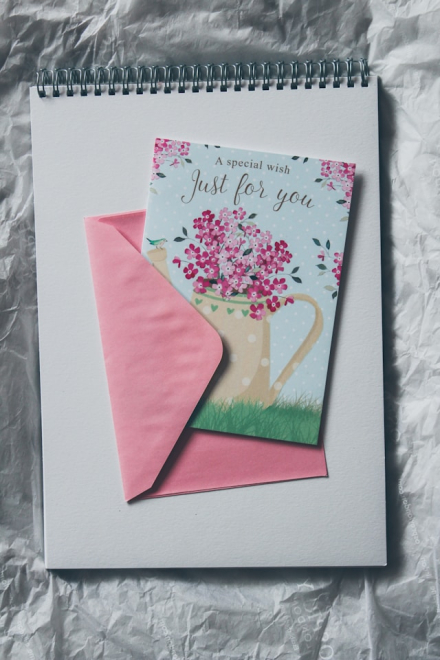
We live in a time where communication is instant. Messages are sent in seconds, reactions happen in milliseconds, and most interactions disappear as quickly as they arrive. Yet, despite all this speed, cards—both digital and printed—continue to hold real value. They slow things down. They feel deliberate. And they create a moment that stands apart from everyday noise.
Cards aren’t just about tradition. They are about connection. Whether it’s a personal greeting, a professional thank-you, or an invitation to something meaningful, a card communicates effort and care. That’s why cards are still widely used across personal, creative, and business contexts.
With modern tools, anyone can now design a card that looks professional and thoughtful without having a design background. This accessibility has made card creation easier, faster, and more creative than ever before.
The Emotional Power Behind Cards
Cards carry emotional weight because they feel intentional. When someone receives a card, it signals that the sender paused, reflected, and chose to communicate in a more personal way. That sense of intention is what makes cards memorable.
In personal situations, cards help express gratitude, celebration, encouragement, or sympathy—emotions that often feel too important for a quick message. In professional environments, cards humanize communication. A simple card can strengthen a client relationship, motivate a team member, or leave a positive brand impression.
Design amplifies this emotional impact. Color choices influence mood, typography sets tone, and layout guides attention. When these elements align, the card becomes more than a message—it becomes an experience.
What Makes a Card Design Truly Effective
A strong card isn’t about flashy visuals or complex layouts. It’s about clarity and balance.
Clear Intent
Every card should have a single, clear purpose. Whether it’s inviting, thanking, or announcing, the reader should understand the message immediately.
Visual Simplicity
Good design avoids clutter. White space helps the content breathe and keeps attention focused on what matters most.
Readability
Fonts should be easy to read and appropriate for the tone of the message. Decorative styles work best when used sparingly.
Consistency
Using consistent colors, fonts, and spacing creates a cohesive look. For businesses, this consistency reinforces brand identity and professionalism.
Where Cards Are Used Today
Cards have evolved far beyond traditional greeting cards. They now serve a wide range of purposes.
Personal Use
Birthday wishes, holiday greetings, congratulations, and thank-you notes feel more meaningful when thoughtfully designed.
Business Communication
Companies use cards to welcome new clients, recognize employees, celebrate milestones, and maintain strong relationships.
Event Invitations
Cards help set expectations and build excitement for weddings, launches, webinars, fundraisers, and community events.
Marketing and Promotion
Cards can support campaigns by announcing new products, special offers, or updates in a visually engaging way.
In every scenario, thoughtful design helps the message stand out and feel intentional.
A Simple Process for Designing Better Cards
Creating a great card doesn’t have to be complicated. Following a simple process can make the experience smooth and effective.
- Define the message
Decide what you want to say and keep it focused. - Understand the audience
Design choices should match who will receive the card and how you want them to feel. - Choose visuals with purpose
Images and graphics should support the message, not distract from it. - Organize content clearly
Use hierarchy to guide the reader’s eye naturally through the card. - Review before sharing
Check alignment, spacing, and spelling. Small details make a big difference.
Practical Tips to Elevate Your Card Designs
- Limit your color palette to avoid visual overload
- Use one or two fonts for a cleaner look
- Keep text concise and meaningful
- Ensure good contrast for readability
- Test how the card looks on different devices or print sizes
These small adjustments can turn a simple card into a polished, professional design.
Why Cards Continue to Build Strong Connections
Cards endure because they feel human. In a world filled with fast, disposable communication, cards show effort and care. They create moments of pause and reflection, making the recipient feel seen and valued.
When thoughtfully designed, a card becomes more than just a visual—it becomes a connection between people.
Conclusion: Small Designs That Leave a Lasting Impression
Cards may appear simple, but their impact is powerful. A well-designed card can strengthen relationships, enhance communication, and make moments memorable. With the right tools and a thoughtful approach, anyone can create cards that feel personal, professional, and meaningful.
In the end, it’s not about complexity. It’s about intention, clarity, and connection—and that’s what makes cards timeless.