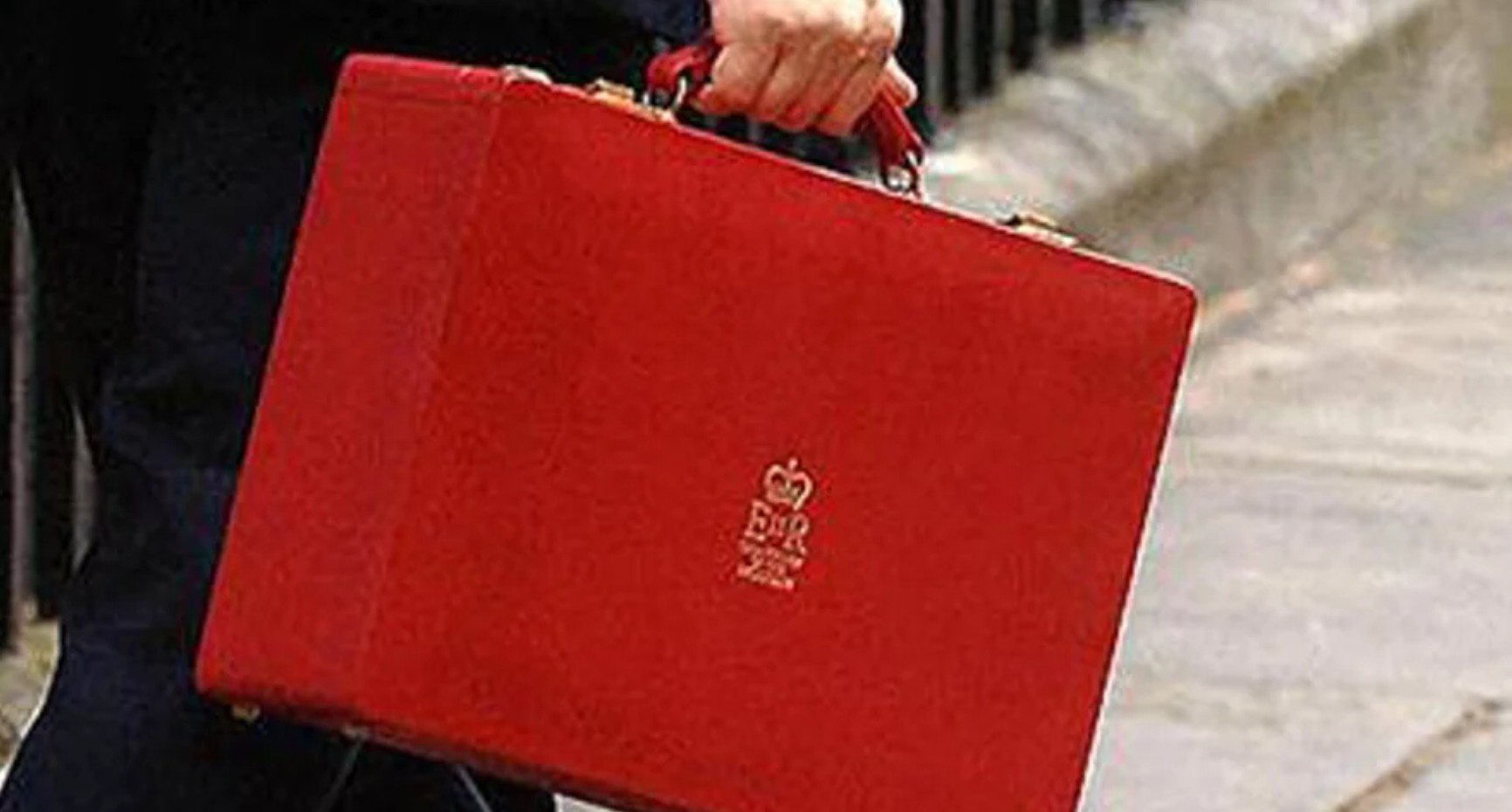
Every so often, Britain becomes strangely curious about a box. It is red, it is carried with great ceremony, and it is photographed more often than most ministers. The question is always the same: what's actually in it?
We'd love to report something thrilling. Usually the answer is paperwork.
The box itself
The red box is a locked case used to carry official papers to ministers. Civil servants fill it with the things a minister must read, decide or sign: briefings, draft letters, submissions asking for approval. A private office sends it out at the end of the day, and it comes back, ideally, with the homework done. Ministers hold the keys. The box travels with them to cars, trains and, one assumes, the occasional kitchen table.
It's an old-fashioned system, which is much of its charm. In an age of encrypted phones and endless email, the government still relies on a case with a lock and a handle. There's a good reason. Paper in a locked box is hard to forward by accident, and it makes a clear point that this material is not for general circulation.
How the paperwork moves
A few terms help here. Civil servants are the permanent, politically neutral officials who run government departments and advise whoever the current minister happens to be. The private office is the small team that sits closest to the minister, managing the diary and deciding which papers reach the minister and when. A submission is a short document that sets out a problem, the options for dealing with it, and a recommendation, ending with a request for the minister to choose.
Once the minister has worked through the contents, the decisions are written on the papers, often as notes in the margin or a signature at the bottom. The box goes back to the private office, where the instructions are passed on to the officials who will carry them out. In that sense the box is less a vault than a very small, very well-dressed conveyor belt.
The Budget version
The box most of us recognise comes out on Budget day. The Chancellor poses with it outside 11 Downing Street, holding it up for the cameras like a man who has caught something large. The tradition goes back to the Victorian era and is tied to William Gladstone, which is why you'll hear it called the Gladstone box.
The Budget is the government's annual statement on tax and spending. It is where the Chancellor sets out what the Treasury will take from us and what it intends to do with the proceeds. Because even a small change can move markets and household finances, the details are kept tightly under wraps until the Chancellor stands up in the Commons. Hence the lock, and hence the theatre.
The box is a prop with a pedigree. The real decisions are made elsewhere, in meetings, spreadsheets and rooms where no photographer is ever invited. What the box offers is a neat, recognisable symbol of a process that is otherwise mostly invisible: a stack of carefully prepared pages, a minister with a pen, and a lock that keeps it all private until the moment it is meant to be public.
Photo: Unsplash