Warm vs Cool White: Which Setting Suits Your Routine?
Warm white and cool white light shape how a room feels and how well it supports what you are doing. The right setting can help you focus during work hours, read with less strain, or wind down more comfortably at night. Warm white usually creates a softer, cozier mood, while cool white feels brighter, cleaner, and more energizing. Choosing between them is not just about preference. It is about matching color temperature to your routine, your space, and the time of day. If your lighting stays the same from morning to bedtime, it may not be serving you well. Understanding when to use warm white and when to use cool white makes everyday tasks easier and helps your home feel more comfortable and functional overall.
Warm White vs Cool White: Understanding the Difference
What Is Warm White Light? Best Uses and Benefits
Warm white light typically falls around 2700K to 3000K on the color temperature scale. It has a soft, slightly yellow tone that feels inviting and restful. This setting works best in bedrooms, living rooms, reading corners, and other spaces where comfort matters more than sharp visual stimulation. Warm white helps create a calmer atmosphere, which makes it especially useful in the evening when bright, blue-heavy light can feel harsh. It also flatters interiors by adding depth and warmth to wood, textiles, and soft finishes. If your goal is to make a room feel cozy, peaceful, and easy to settle into, warm white is usually the better choice for daily use after sunset.
What Is Cool White Light? Best Uses and Benefits
Cool white light usually ranges from about 4000K to 6500K and appears brighter, crisper, and more neutral to bluish in tone. It is well suited for tasks that need visual clarity, such as working, studying, cooking, grooming, and detailed reading. Because cool white improves contrast and makes colors appear cleaner, it helps support focus and alertness during active parts of the day. Many people prefer it in kitchens, bathrooms, home offices, and utility areas where precision matters. It can also make smaller rooms feel fresher and more open. If you want lighting that feels clean, energizing, and practical, cool white is the stronger choice for daytime productivity.
Which Color Temperature Works Best for Your Daily Routine?
Morning to Afternoon: Choosing Light for Work, Study, and Reading
From morning through late afternoon, cool white light is the better fit for most focused tasks. It helps keep spaces visually clear and supports attention during work, study, admin, and reading sessions. A range around 4000K to 5000K often feels balanced for home offices and desks, while brighter settings can help in rooms with limited daylight. For reading, cool white can sharpen contrast on the page and reduce the dim, sleepy feel that warm lighting may create during the day. Position matters too. Use direct light for task areas and avoid glare on screens or glossy surfaces. If your routine starts early, cooler white light can make the room feel ready for action.
Evening to Night: Creating a Comfortable Atmosphere for Relaxation
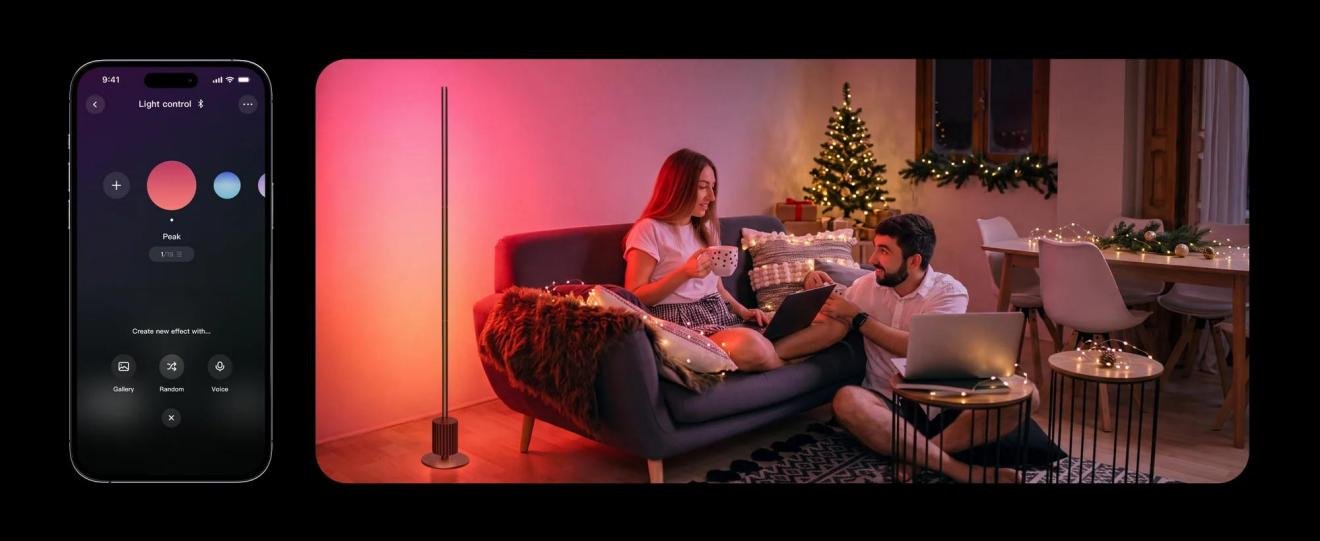
As the day slows down, warm white light becomes the better choice for comfort and mood. A softer range around 2700K to 3000K works well for bedrooms, living rooms, and quiet corners where you want to read lightly, watch a show, or simply relax. Warm light reduces the stark, clinical feel that cooler settings can create after dark and helps a space feel more settled. Lower brightness also matters in the evening, since intense light can make a room feel overstimulating. Table lamps, floor lamps, and indirect wall-washing effects are especially effective here. A versatile nova lamp with adjustable color temperature and brightness can also help create a cozy atmosphere while adapting to different nighttime activities. For a calmer nighttime routine, warm white supports a gentler transition from activity to rest.
How to Choose and Adjust the Right White Light at Home
Match Color Temperature and Brightness to Different Activities
The best lighting setup combines the right color temperature with the right brightness for the task. Use cooler white light with stronger output for working, paperwork, cooking, and detailed grooming. Shift to warmer white light with moderate or low brightness for relaxing, casual conversation, and evening reading. Room function should guide your choice, but flexibility is ideal when one space serves multiple purposes. A tunable lamp makes this easier. For example, the Nova Floor Lamp Pro offers 2700K–6500K tunable white and 1200 lumens, giving it enough range for both focused daytime use and softer evening ambience. Its triple-zone wall-washing design also helps distribute light more evenly, which can make corners, desks, and lounge areas feel more usable throughout the day.
Why Adjustable Smart Lighting Makes Daily Transitions Easier
Adjustable smart lighting removes the need to choose one fixed setting for the entire day. Instead, you can move from cooler, brighter light in the morning to warmer, softer light at night with far less effort. That flexibility is especially useful in bedrooms, living rooms, and home offices that serve more than one purpose. Smart controls also make routines more consistent, whether you prefer app scheduling, voice commands, or preset scenes. The Nova Floor Lamp Pro supports Matter, works with Alexa and Google Assistant, and connects through 2.4GHz Wi-Fi plus Bluetooth, so changing white light settings can fit naturally into your daily habits. When lighting adapts as your activities change, your space feels more comfortable, functional, and easier to live in.
Conclusion
Warm white and cool white each serve a clear purpose, and the best choice depends on what you need to do at that moment. Use cool white during the day for work, reading, studying, and tasks that benefit from clarity and focus. Switch to warm white in the evening to create a softer, more restful atmosphere for relaxing and winding down. If one room supports several activities, adjustable lighting gives you the most practical solution. Instead of forcing your routine to fit one type of light, you can shape the light around your day. That simple change improves comfort, supports productivity, and makes your home feel more intentional. Good lighting is not only decorative. It is a daily tool that should work with your routine.