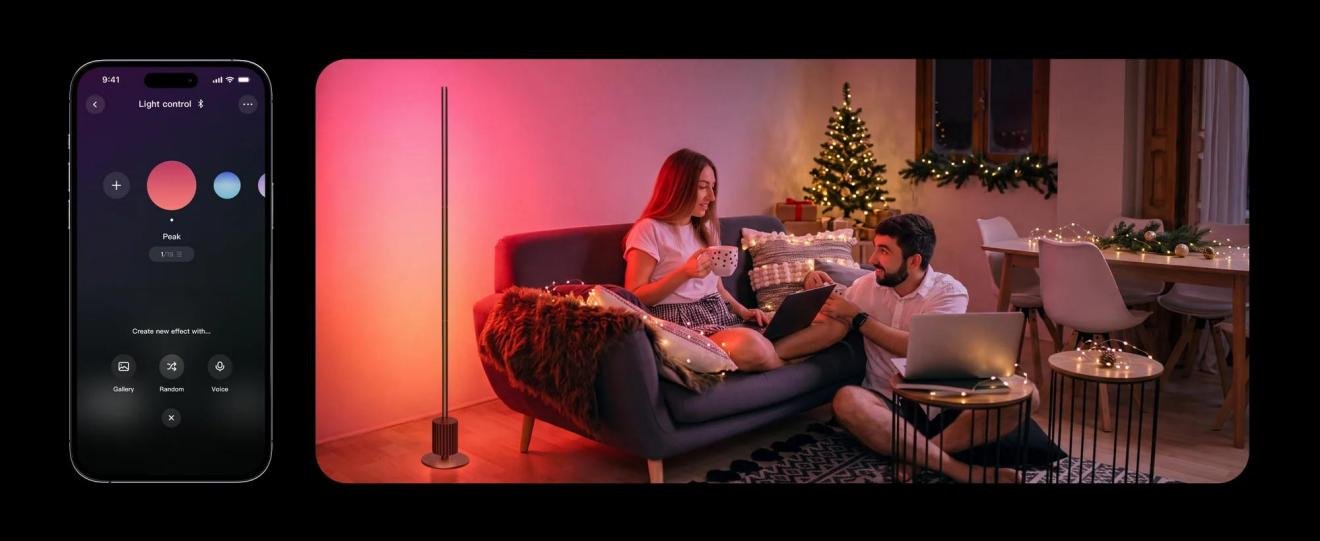
1. Rethinking What Makes a Home Smart
Smart homes are often associated with voice-controlled devices, automated lighting and appliances that can be operated through a smartphone. However, making a home smarter is not necessarily about introducing more technology.
A truly modern home should make everyday life easier. From the way a kitchen is organised to how efficiently a bathroom uses water, practical design decisions can be just as valuable as the latest digital innovations.
The challenge is finding the right balance between technology, comfort and functionality.
2. Building a Better Foundation for Technology
Adding smart devices to an outdated space does not automatically make it more functional. Poor layouts, insufficient storage and inconvenient electrical outlets can limit the benefits of even the most advanced technology.
Working with renovation professionals such as GoodLife Home Renovations can help homeowners rethink their living spaces, making room for modern appliances, practical layouts and energy-efficient features.
Planning these improvements together allows technology to become a natural part of the home rather than something added as an afterthought.
3. The Kitchen as the Centre of Innovation
Kitchens have become one of the most interesting spaces for household technology. Smart refrigerators, induction cooktops and connected appliances are changing how people prepare meals and manage everyday tasks.
However, technology works best when supported by thoughtful kitchen design.
A modern kitchen can benefit from:
- Strategically placed charging stations and electrical outlets.
- Motion-activated and adjustable task lighting.
- Energy-efficient cooking appliances.
- Accessible storage and practical countertop layouts.
- Touchless taps that improve convenience and hygiene.
These features can simplify daily routines without making the kitchen unnecessarily complicated.
4. Bathrooms Are Becoming More Intelligent
Bathroom innovation is moving beyond appearance. Homeowners are increasingly interested in features that improve comfort, accessibility and resource efficiency.
Digital shower controls can help maintain preferred water temperatures, while smart mirrors can provide adjustable lighting. Moisture sensors can help identify potential leaks, and modern ventilation systems can respond to humidity levels.
Combined with practical improvements such as walk-in showers, heated flooring and accessible layouts, these technologies can support a more comfortable living environment.
The goal is not to turn the bathroom into a technology showroom but to create a space that responds to everyday needs.
5. Energy Efficiency Starts With Design
Smart thermostats and energy monitoring systems can help homeowners understand and manage their energy consumption. However, the physical condition of a property remains equally important.
Insulation, natural lighting, ventilation and the selection of building materials all influence how efficiently a home operates.
During a renovation, homeowners have an opportunity to address these fundamentals before investing in connected devices.
For example, improving natural light can reduce the need for artificial lighting during the day, while better insulation can reduce the demand on heating and cooling systems.
Technology becomes more effective when the building itself is designed to support energy efficiency.
6. Creating Homes That Adapt Over Time
One of the biggest challenges with residential technology is how quickly it evolves. Devices that seem innovative today may become outdated within a few years.
Homeowners can prepare for these changes by prioritising flexible layouts, accessible wiring and infrastructure that can accommodate future upgrades.
Reliable Wi-Fi coverage, sufficient electrical capacity and adaptable living spaces can make it easier to introduce new technologies without requiring another major renovation.
It is also worth considering how household needs may change over time. Growing families, remote working and ageing in place all influence what people need from their homes.
A well-designed property should have the flexibility to accommodate these changes.
7. The Future of Home Living Is About Balance
The most successful modern homes will not necessarily be those with the greatest number of connected devices. Instead, they will be spaces where technology and design work together to support the people living in them.
Sometimes, a better kitchen layout can offer more everyday value than another smart appliance. Similarly, a thoughtfully designed bathroom can improve comfort more effectively than an expensive digital feature.
As residential technology continues to evolve, homeowners should focus on improvements that offer meaningful, long-term benefits.
After all, the smartest home is not the one that does the most. It is the one that makes everyday life a little easier.